
How To Do Shadow Work (Own & Integrate Your Dark side)
There's a dark part of you, isn't there?
And you've never let it out.
Not the part that you're insecure about, but the part that you'd be horrified for anybody to see.
That, my friend, is the shadow.
And what most people are calling shadow work these days doesn't go anywhere near it.
You write down three limiting beliefs, name why you're afraid, or find out where you need to set clearer boundaries.
This doesn't push a single edge within you. It scratches the top of an iceberg and calls it depth, because it's a lot easier to follow a few journal prompts than it is to sit with the darkness within your own soul.
This letter goes there. What's actually down in the dark, why it is within every man, why nobody ever showed you what to do with it, and what happens when you stop running from it.
Before we get into the depths of what this work can do for you, let's look at a couple of examples to see whether it's even relevant for you.
If you've ever found yourself in a sales scenario where you've said the price and then immediately either explained yourself or lowered it before anything has been said, there's something here for you.
If you find yourself having a difficult relationship with your voice, speaking things out loud, speaking your truth, saying things that are on your mind. Or if someone crosses you, and instead of saying something and confronting it you brush it off. This activation of the voice is going to be a deep part of this work.
If you find yourself in scenarios where there are successful people around you but you feel deeply insecure and uncomfortable, and then you mask it as admiration, there's something here for you.
If there's a subtle part of you that doesn't back yourself fully, or trust yourself to follow through and have the level of success that you want, there's something here for you.
If you've ever found yourself rehearsing a conversation in your mind and going through the motions of that confrontation, but then the conversation never really happens, you'll know that there's something here for you.
If you're "fine", things are "okay", but you know that there's a cap on what you can experience, what you can feel, what you can receive, and what you can really achieve in life, you'll know that there's something here for you.
None of these things are a confidence problem, a strategy problem, or a discipline problem. All of those things just touch on the same surface level solutions. When you try to fix things from the top down, you usually end up getting more frustrated than when you started.
You see, the thing underneath is actually just one little thing. But you've pushed it down so far, because that's what you thought being a good man truly meant.
This has been a big part of my journey as well for many years.
Throughout my early 20s I was quiet. Quiet and unable to really speak the things that were true to me. And people walked all over me. I never really got what I wanted, and I was never able to fully express myself, until I erupted in moments of just feeling reactive. That's where the things started to come out. But it was never done in a way that was constructive. It was mostly destructive for my own life.
It was only when I began to do this deeper work and really explore these different parts of myself that I started to activate more of my voice. I started a business for myself. I ended up speaking in front of people. All of these breakthrough moments led me to the present day.
Introduction to the shadow.
The shadow is the deeper, darker, less pleasant parts of ourselves that have been pushed down underneath the surface in order to align with the present day modern judgement of what good or pleasant is.
So we create a persona for ourselves, of who we present to the world, in order to make sure that we are not outcasted, and to make sure that we are able to receive love in alignment with the people around us.
Therefore, doing shadow work is bringing these aspects of ourselves that have been pushed away, the darker, more nasty, more negative versions of ourselves, bringing them into light. Being able to see them, learn to love them with non-judgement, so that we can become the fullness of what we really have the capacity for in this life, and be all of who we really are.
Many people will associate the shadow, or shadow work, with a man named Carl Jung. A Swiss psychiatrist and psychoanalyst who brought this term into modern psychology for everybody to use.
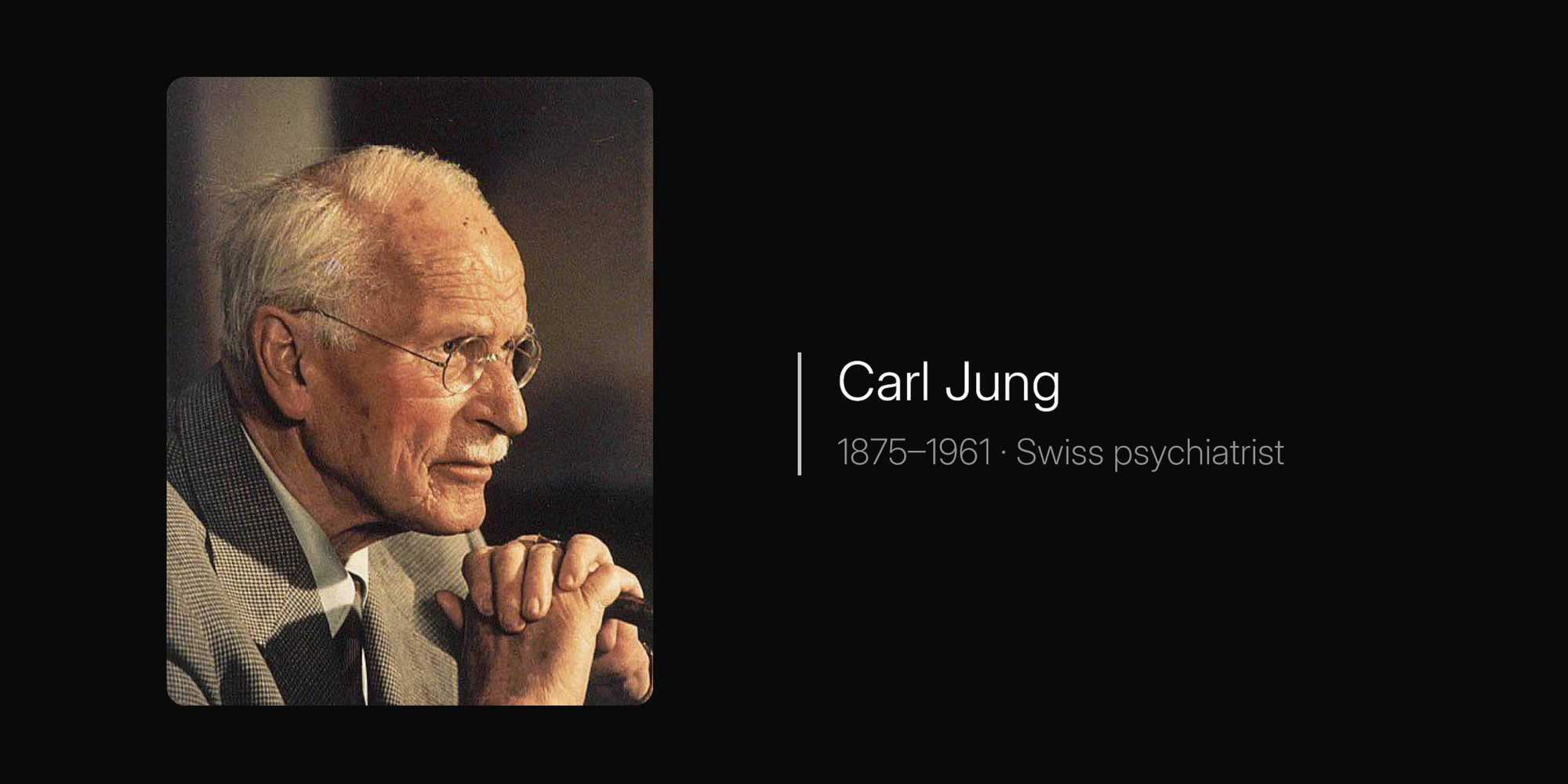
But he did not discover it.
Every culture that lasted the test of time had a clear way of integrating the darkness within man in a healthy way. And most of these lineages built the journey of integrating that darkness into the initiation process from boy to man.
It seems to be that we have been part of this sequence of generations that have all the theory for these things, but very little of the practice. And if you look out into the modern day all around you, you can see how that's going.
There are many stories throughout time that demonstrate this journey. One of the key ones we'll come to later is a god that the Egyptians just should have exiled. They should have got rid of him. But they didn't. And we're going to learn why.
I've personally walked this path myself for many years, and over the last five years I've travelled the world and gone into the depths of my own soul while supporting men along this journey.
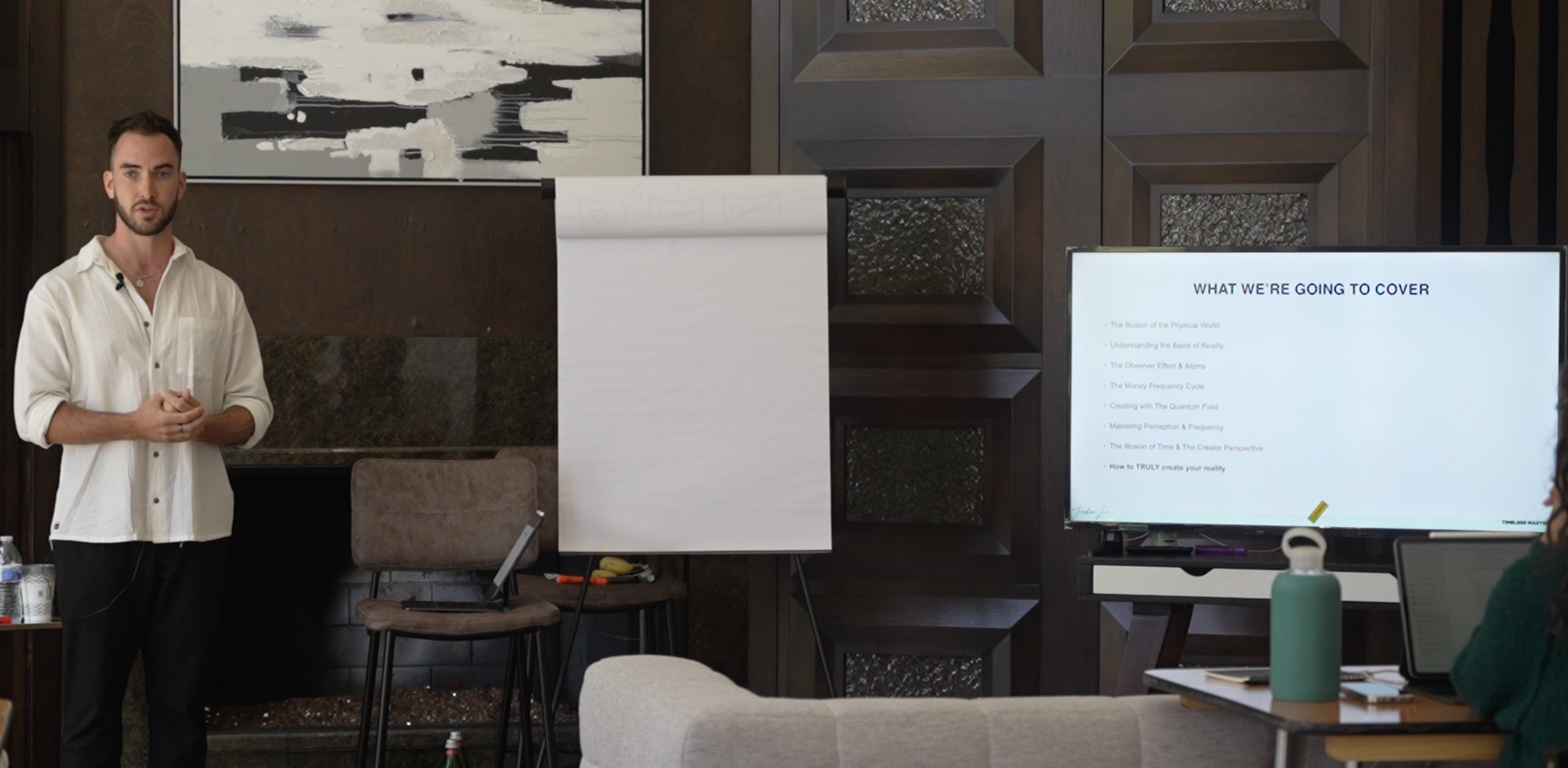
By far, out of all the things I've discovered, shadow work has been the most transformative, because it's the thing that most people avoid.
This deeper work, and the transformation that has occurred in my own life and in others, led me to form Modern Mastery.
To go deeper into this work and get support, visit this page.
The disowning
Before any of this begins to make sense, we have to look at how this is showing up for men right now. Because it's not the way that you'd expect.
To simplify things, we're going to split it into two faces. And most men only think that the one they're not in is the problem.
So the two faces look a little like this.
On one side you have the good guy who's really afraid of his power. He's afraid of power and how it might corrupt him. He rejects it, he's afraid of it, and he pushes it away and says that it's wrong, or labels it deep in his subconscious as bad or negative.
On the other side we have the man who is almost drunk on power, but he's forgotten where he came from. He may look successful, but he's deeply miserable, unable to feel joy and fulfilment and real happiness, or even peace. There's a complete obsession with the material that has disconnected him from his own soul, and he yearns for that deep feeling that cannot be experienced through material things.
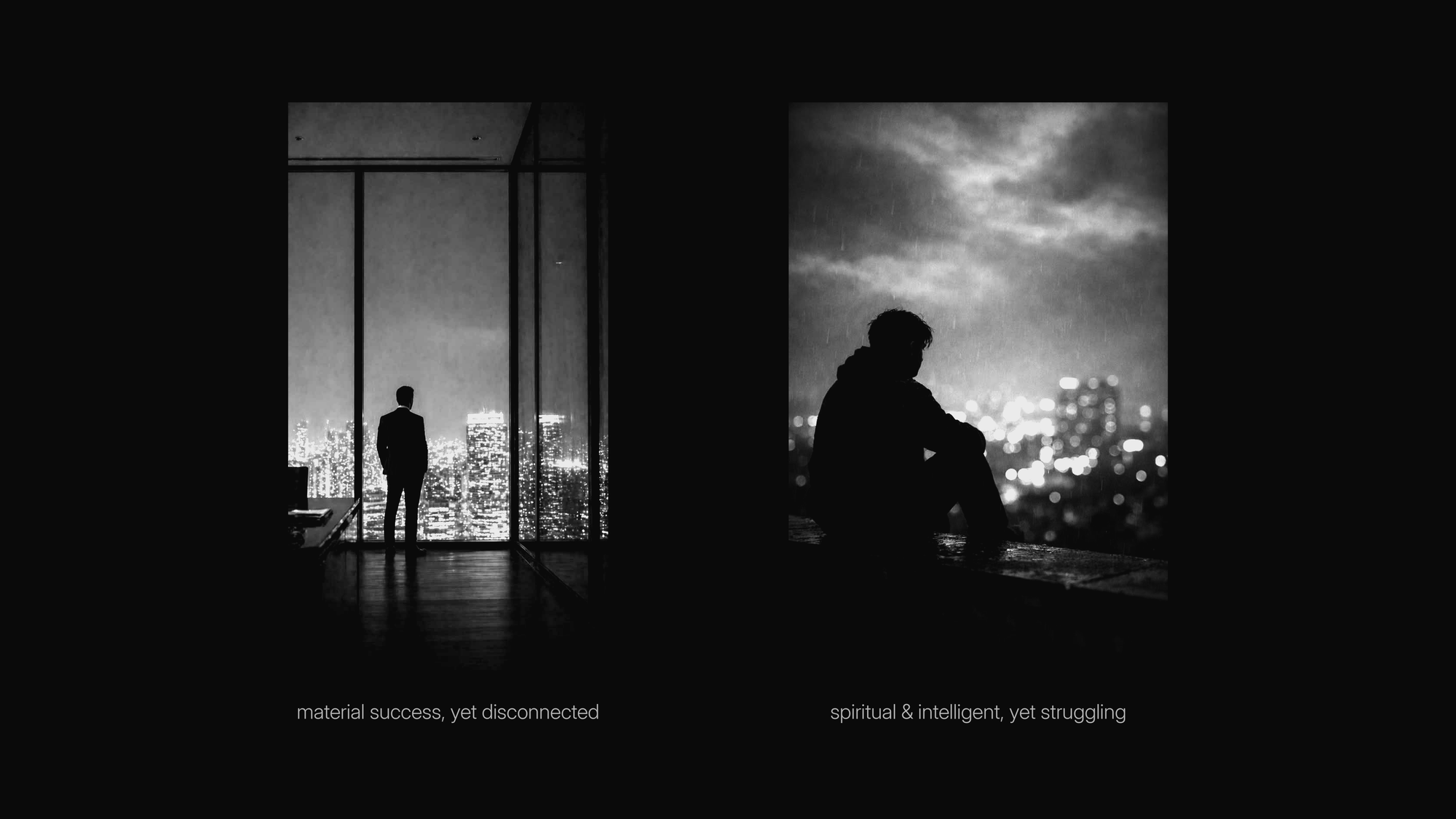
What's interesting about this is that it's actually the same wound. It just looks different on each side, because this is the same wound wearing two different outfits.
Each camp points at the other and says, I'm not going to be that.
The good guy points over here and says, I'm not going to be corrupt. I'm not going to be powerful like this guy. That's not who I am. That is "bad".
The guy who looks successful but is deeply unfulfilled, disconnected from himself, looks over here and says that is weakness, or something along those lines, and disowns that part of himself.
Both of them secretly yearning for what the other one has, but dismissing that part of themselves in the process of that pointing of the finger moment.
The sentence itself, "
I will never be that", whether consciously or not, is the disowning of that part of yourself.
One man has no teeth. The other man has nothing but teeth. But neither one of them is whole within himself.
The moment that you've made that decision is the moment you disconnect yourself from what you truly need to thrive.
One of my favourite examples of this is Bruce Wayne from Batman.
He took his rage and trained it and gave it some shape that he could use. He doesn't suppress it and he doesn't let it drive his behaviour reactively. He puts on a mask and he learns to harness it in a powerful way.
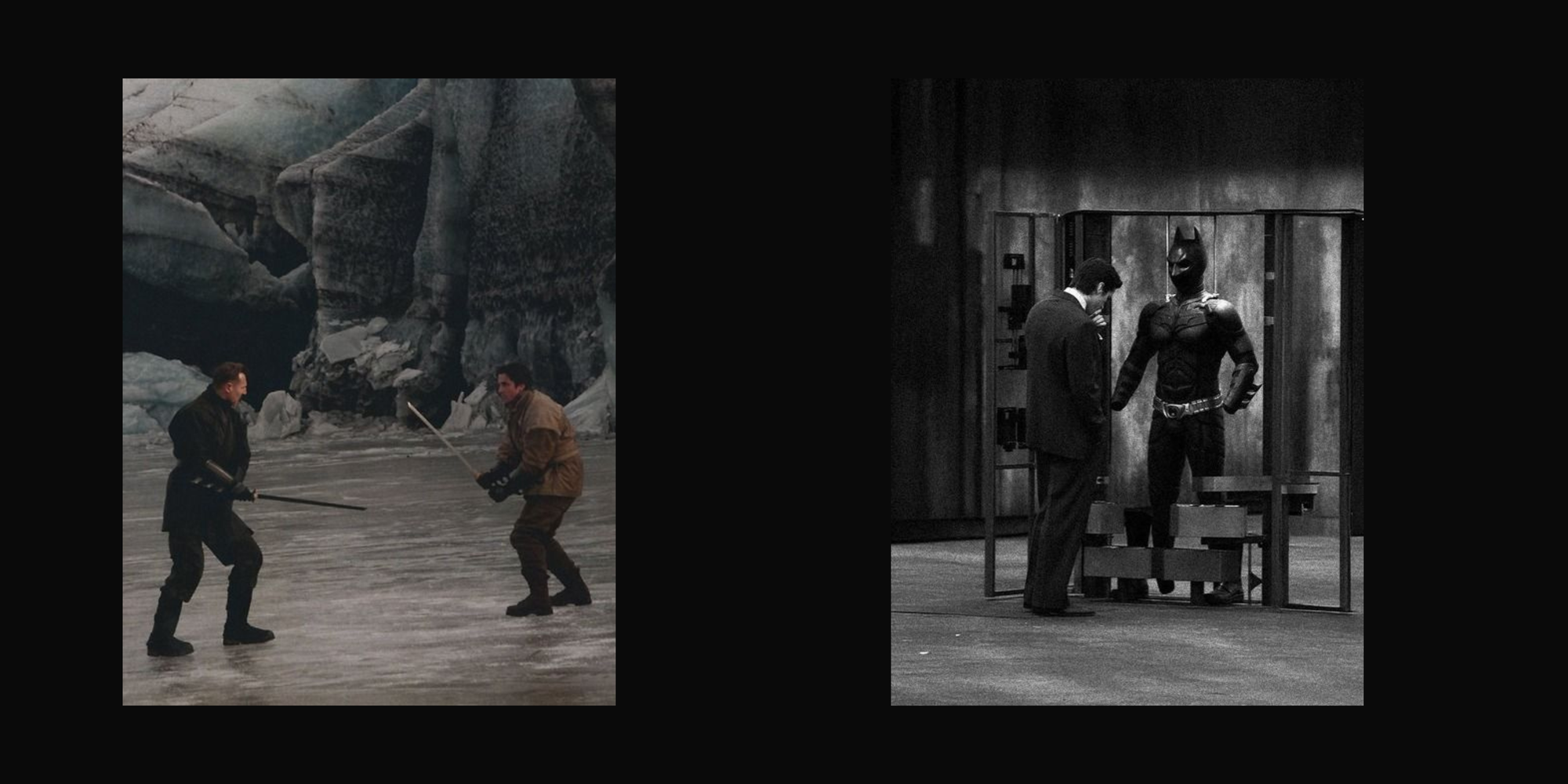
When it comes to Batman though, what keeps people at the edge of their seat is the line. The question of whether he is ever going to cross it into complete chaos. The tension between the two is what keeps you so engaged in the story. That single question is the reason the character has survived over eighty years.
Now, if you look at the Joker, he's complete chaos. Darkness. No structure, no box that you can fit him in, just complete destruction. Some people just want to see the world burn.
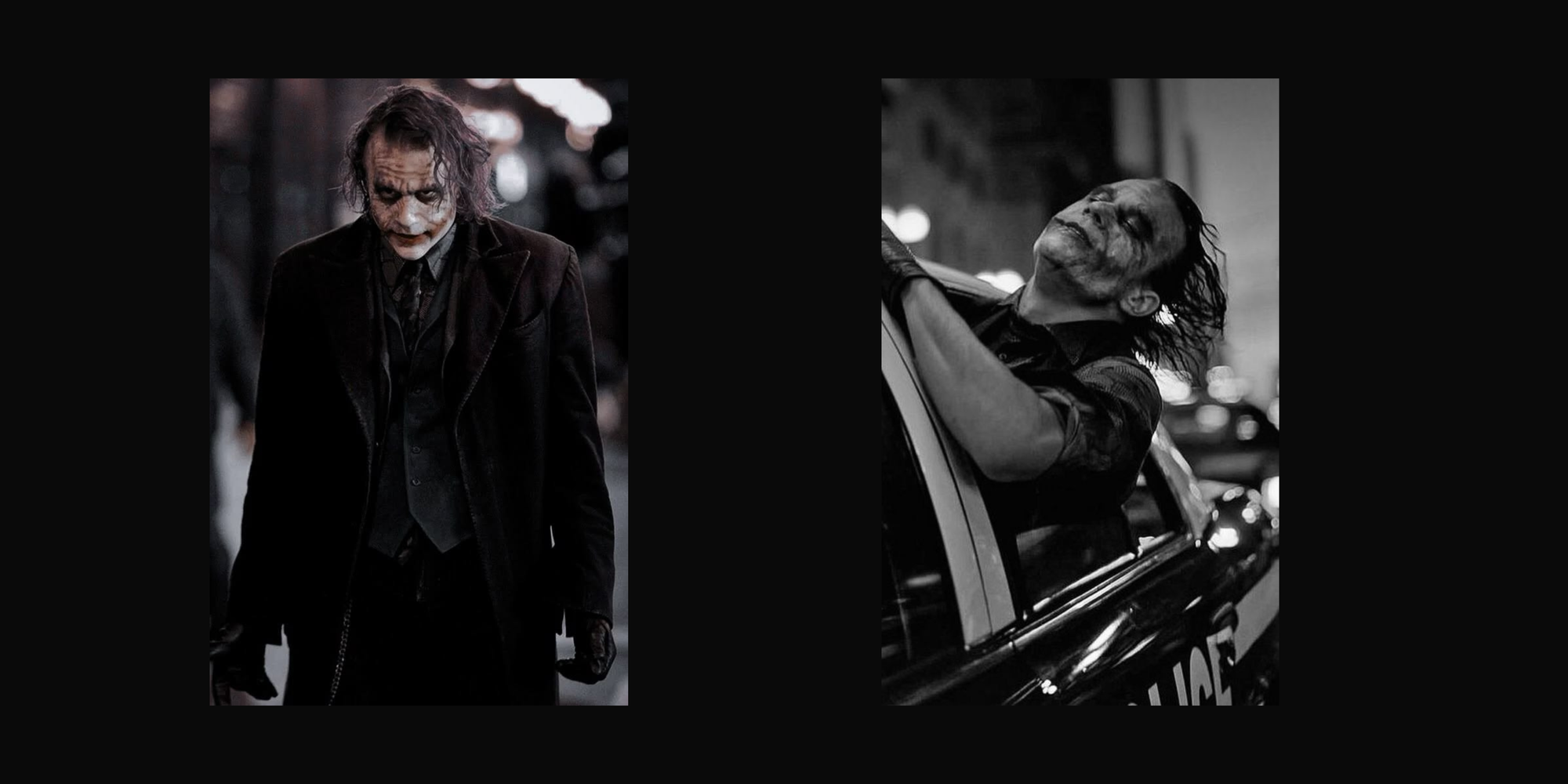
He is what the fire does when nobody showed you what to do with it.
So you already understand the shadow. You've been watching it your whole life. Now it's time to apply it to yourself.
The law underneath
So why is every man built this way?
For this I have to zoom out of everything here, and we have to go into the depths of reality and how that game works, in order for you to understand what we're speaking about. Otherwise everything I'll be sharing will just sound like I'm telling you to be a worse version of yourself.
Growing up in my life there was a lot of chaos in different ways. Whether it was the house I grew up in or just the environments that I found myself in.
I remember being fifteen years old in a house, not even sure how I got there, and there were two people there who had just got out of prison. I met some very interesting characters along my journey and I saw some pretty gnarly things. As well as my own personal experiences with being surrounded by narcissistic people, and a lot of moments where I really felt... why are people like this?
With that journey came the seeking of something lighter, the "healing path" as some people call it. I found that many spiritual teachers were sharing that everything is only light, everything is only good. But that did not feel right to me, because I had experienced the opposite in many cases throughout my life.
As I got older, more aware, I see things like human trafficking, child labour, and the darkness that fills the different crevices in our world. That's where I really started to see through the illusion of everything being just good, but also the illusion of everything being just bad.
It seemed to be an organised, chaotic version of both.
I also experienced firsthand that the more I was lived in those chaotic environments, or when there was deep emotion within me that was not processed, I was creating a negative experience for myself. This hell, you could almost say.
Then as I started to bring more light into my life, I started to see my own behaviour change and I started to see good things in my world.
I started to notice that there is good and bad in everything, and it's really down to me. What I put out into the world is what I then experience more of. That understanding reshaped the world that I see today.
As a kid I was obsessed with the yin yang symbol. I would draw it everywhere. Any copy book where I was in class and I wasn't listening. On a box, on a wall, anywhere I could find space, I would draw this symbol.
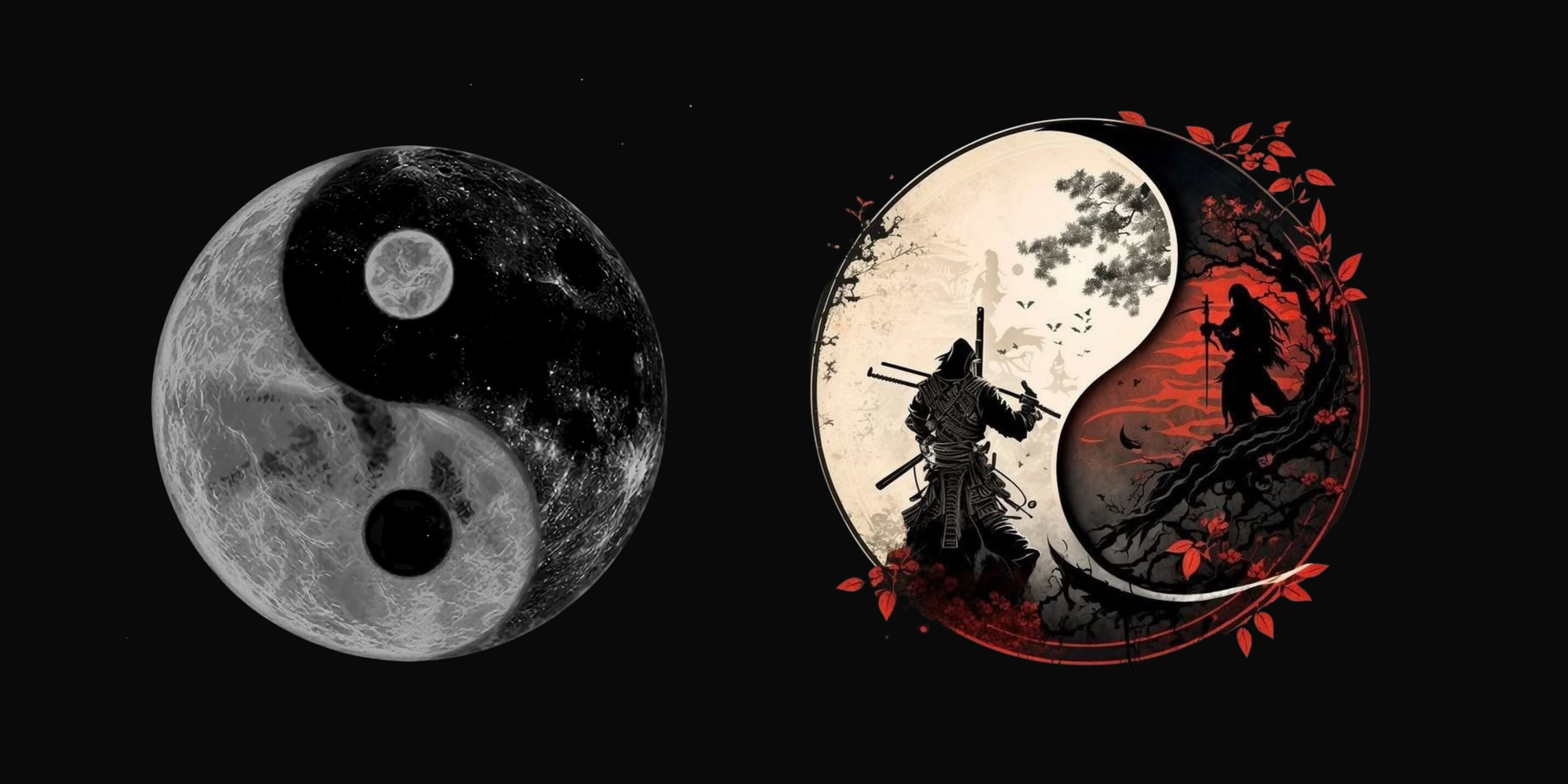
I never really knew why I loved drawing it, until I started to understand what it represented.
Each side representing the light and the dark. The dark within the light and the light within the dark. And no straight line between them, no division. Just the emergence of both of them together in this beautiful flow that makes the whole thing work.
So let's look at some of the philosophy behind this.
There's a book called The Kybalion, published by three initiates who had the intention to bring some of the Hermetic lineage all the way back from Egypt into the present day, to understand some of the core principles that were taught and expressed by Hermes Trismegistus.
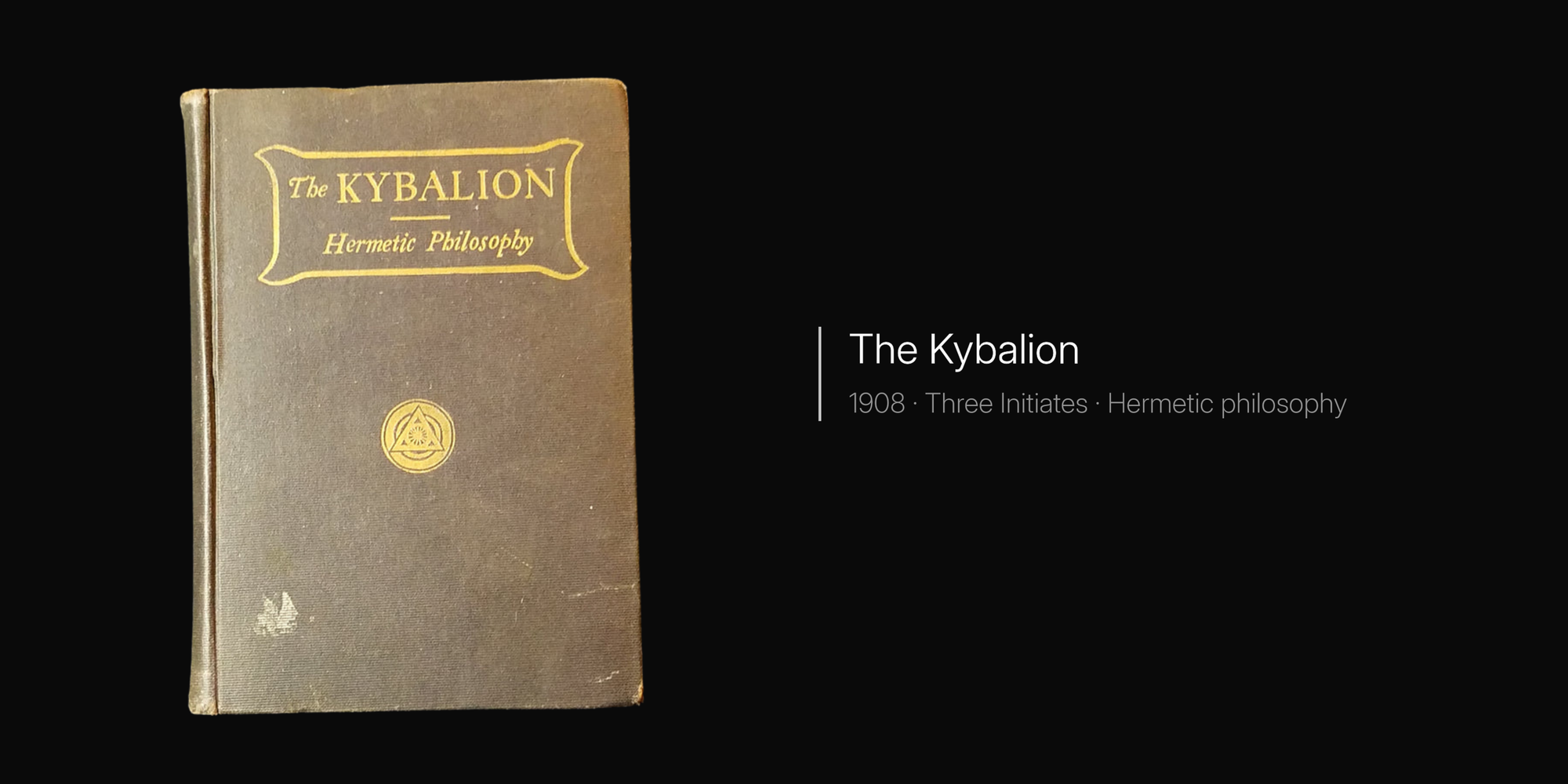
One of the core principles is the principle of polarity, which states that everything has two poles, equal and opposite. It shares the essence that opposites are the same thing, just at different degrees.

If you use hot and cold, for example, there's no clear point where cold becomes hot or hot becomes cold. There's just a scale on which it moves.
And that's the very same thing with the shadow. There is no good or bad, or a line between. There is a scale on which we all operate.

So the point that really matters is this: you can't change the scale, but you can change your position on it.
Nothing ever gets created or destroyed or removed. You can't remove evil, or remove badness, or remove good. It just gets moved along this scale.
And this is the real difference between suppressing something and integrating it. Because suppressing it is trying to pretend that it doesn't exist, while integrating it is actually giving it a voice. Giving it something that allows it to be seen, so that it moves along the scale and doesn't become destructive underneath the surface.
There's a famous quote from Carl Jung that describes this perfectly.
Until you make the unconscious conscious, it will direct your life and you will call it fate.
So we're not trying to remove any part of this. We're trying to move along the scale in order to integrate and embody all aspects of ourselves. The darkness included.
Another understanding in The Kybalion is the law of correspondence, which states that:
As above, so below; as below, so above. – The Kybalion
We see this in the world we live in today. The stars, the cosmos, mirror the small particles and atoms down to the smallest scale. As above, so below.
The same way, you could look at it as within, so without. This dualistic nature that is within the entire world is also within you, and within all of us. If reality is built in this way, you are not separate from it. It is all part of you as well.
Where this gets tricky in the present day is where we start to use labels to describe things.
When we call things good or bad, these labels create rules that we must then live our life by, in order to maintain the identity that we've built around them.
And that's really where most of the trap actually is. It's thinking that there is a good and there is a bad, and that somewhere in between, if we cross a line, then we are bad. And that's something we don't want to be. And therefore we will do everything we can to uphold the identity that aligns with the truth we tell ourselves, whether consciously or not.
So you have the capacity for all of it. You have the full range. All of the chaos, all of the destruction, all of the violence, all of the things that you would label as negative are within you, the same way they're within me.
It doesn't mean that we have to make the conscious choice to act on it. But to ignore it and say that it's not there is the suppression that we're really addressing here.
There is no person who walks this earth who does not have all of that built into them from the inside.
If you've ever heard about a catastrophic event, like the Holocaust, or something you see in the news that's horrible, and you ask yourself, how could somebody do that? How could a group of people do that?
That in itself is the disowning of the shadow because that's the potential for chaos that exists within all of us.
The historic pathway of integration.
So this is the thing I keep coming back to. If this exists within all men, and this was known for generations far beyond our time, then there must have been a way of dealing with it in a healthy way.
This is where I discovered the initiation process for men, which has been described in many different ways. This is where a boy was brought through a process that helped him step into manhood, guided by men who had been through that journey.
This wasn't a party, or a celebration in the way we would know today. This was more of a journey that the boy would go through, so that from that point forward he would be known as a man. His identity would change. How he saw himself would change. How others treated him would change. And most importantly, what was expected of him would change.
When you are brought through this journey, it shows you what is within you. It helps you meet it with conscious awareness, instead of it being reactively directed towards people, or uncontrollably creating chaos in the world.
This was such a powerful energy that the initiation process was here to honour that journey as a boy steps into manhood.
This is something we have really lost in the modern day. We have little moments where we celebrate birthdays, but there's no process to actually bring someone through what is about to happen in these coming years, and how to really handle that as a man, not a boy.
So the three moves for an initiation are as follows.
01. You leave.
You get out of the comfort of your mother. The safety, security and protection of what that container did for you. That love and care was incredibly important for the formative years of stepping into a boy. But as you become a man, stepping out of that container is what activates the masculine core within you.
The whole idea behind this is that you cannot become something new in the same place you were known as something else.
02. Something happens to you.
After you leave, you are brought into an environment where something happens to you. Something difficult, that requires endurance. It requires you to face a certain level of pain within yourself.
You get to face the fears and things that arise for you while in this new environment. This is where you are meant to meet the parts of you that are scared, that are afraid, that show you what's really deep inside you. What really lingers underneath the surface, and helps you meet that in a moment where you have to face it.
The key part to know is that the men who've already been through it hold the space for that to happen. In a way where you are supported, where you're not going through it alone, but you still have to face the hardness of the situation and not let it be softened.
03. You return.
The last phase is returning back home.
You come back home, you have a new name, a new title, you are treated differently. People recognise the shift that you're in, to validate and confirm it. You're recognised now as a man, which reaffirms the new identity.
In tribes people would treat you differently. You would have different jobs to do. You would have a different level of responsibility. That's how you knew that you are now embodying a man.
The being recognised piece is important. When you have someone there with you to see that transformation happening, you are confirmed and recognised as someone who's gone through that journey.
That's why containers for support are important with these moments. Why having a community around you actually reaffirms the identity, instead of you just being in pain and being traumatised from it. There's a big difference there.
Let's look at some examples of this to ground it into reality.
Let's say you go out into the wilderness and you must survive. You don't have food, you don't have water, and you're there sitting with the discomfort of what is arising for you. The hunger. Maybe you're learning to meditate and be present with the feeling of hunger, and you're doing a fast. You're dealing with the fear of sleeping in the wilderness at night, and there's moments arising where you're afraid.
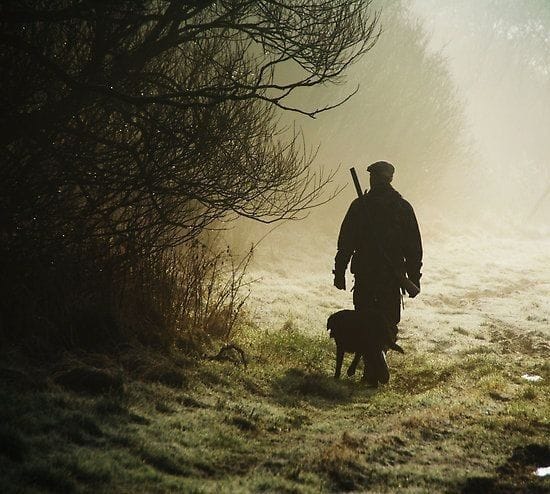
Then once that period of time is finished, you go back to the elders, to the people in your community and you share with them your experience and how you navigated it. How you're now a stronger person, with more capacity to be the fullest of what you really are, and to see what you're really made of.
One of the more common versions of this in the modern day is the trades. When someone trains underneath an elder for a period of time, they're hard on you. Once you go through that journey, you then become a tradesman.
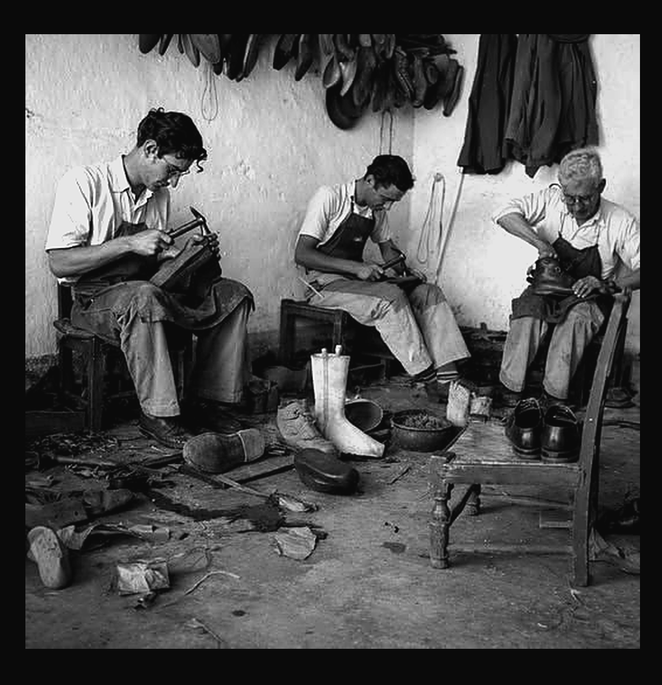
People in your environment, in the company, treat you differently, because you're now evolved into that person. You have a different level of authority and people respect you. That's something present in the modern day that doesn't really get talked about, but it's a version of it.
We even see this in the Bible with the story of Jesus. He's baptised in the river, he's named, and then he's taken out into the desert to go through his own version of this initiation.
So what we see here is that initiation didn't go anywhere. We just stopped supervising it. We stopped putting intention into it.
The fire that is within all of us as men is something that we must direct towards something. So we will search for that initiation if we have not gone through it ourselves.
But when the boy with the fire is following the loudest person in the room, and not necessarily the one who's actually there for his highest good, this fire gets directed at the people it was meant to protect.
This is where we see things start to get destructive. If you look at the "manosphere", and the "influential figures" there, boys are yearning for this initiation. They're looking for someone to show them the way. When the "figures" who represent the way are not coming from a place of integration and embodiment themselves, this is where men are led astray.
This is where we see a lot of the chaos in the modern day come from.
Down into the darkness.
Everything up until this point has been like a diagnosis. Now it's time to go into the depths of the shadow and really look at what's down there.
There's no better way to describe this to you than by looking at some people who figured this out way before you or I ever existed.
The thing that we've been calling darkness, the thing that you've kept pushed down and have a lid on, is not the problem. And it never was.
Set, the Egyptian God of Chaos.
Set was an Egyptian god, and he wasn't one of these gods that was misunderstood. He murdered his own brother Osiris for the throne, and then spent years at war with his nephew Horus over that whole dispute. This character was genuinely dangerous, and the Egyptians didn't pretend otherwise.
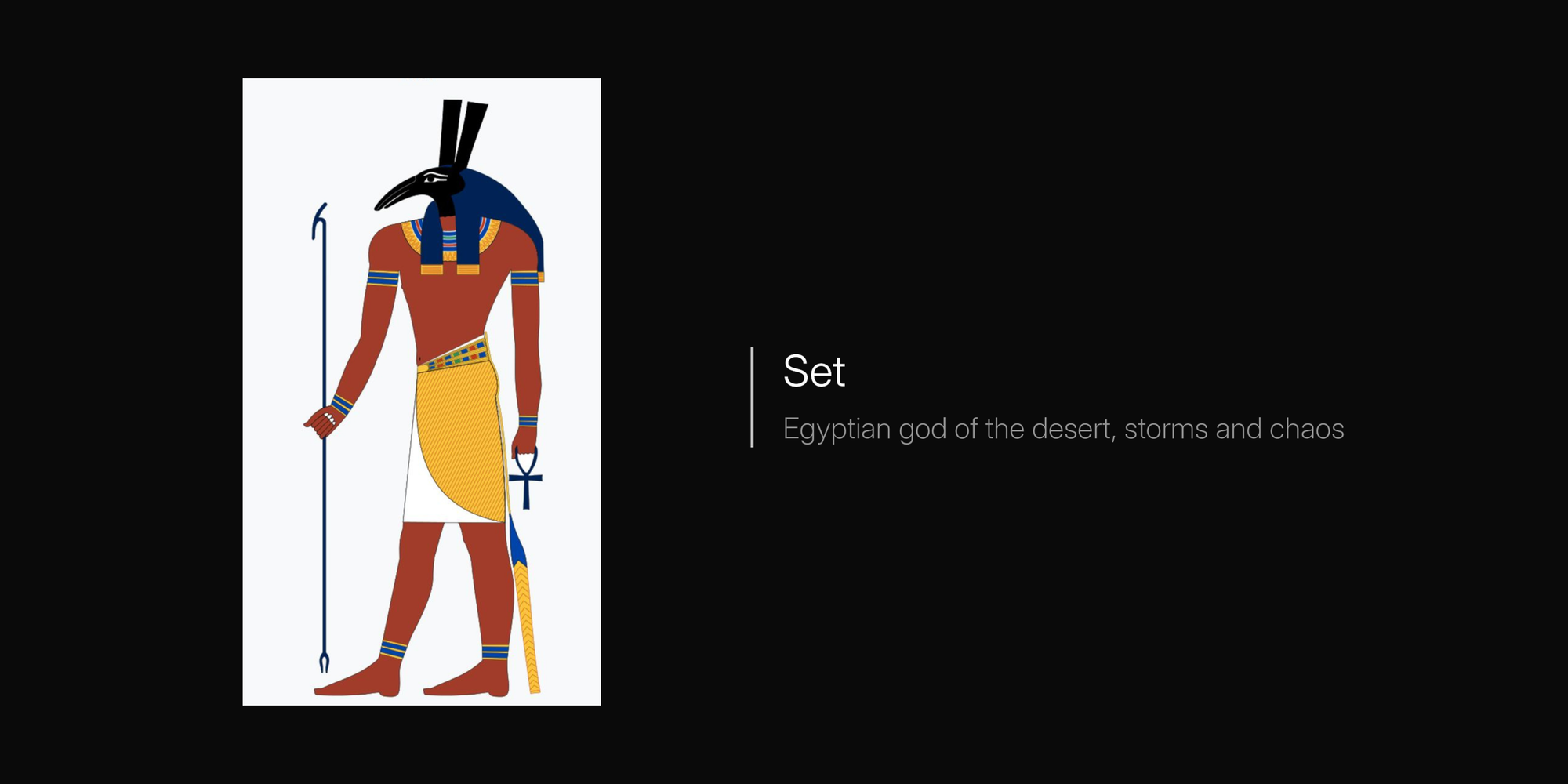
One of the interesting things about Set was actually how he looked. Most of the other gods had a very clear animal head. A cat, a jackal, a bird. Whereas Set had the head of an animal that nobody could identify. Square ears, forked tail, curved mouth. Nobody could identify this animal.
My interpretation is this is the design of something that is complete chaos and uncontrollable.
This next part is where things get really interesting in relation to the shadow.
You see, in Egypt, every night the sun god goes down into the underworld for twelve hours of complete darkness. Somewhere in the passage they're travelling along, there is a serpent. The serpent's name is Apophis. He waits for the right time to strike, and he has the capacity to completely swallow up the boat and drink the river dry.
Now, the sun god doesn't make this crossing alone. There's a crew. There are people to help, people to support.
And the god standing at the front of the boat is Set.
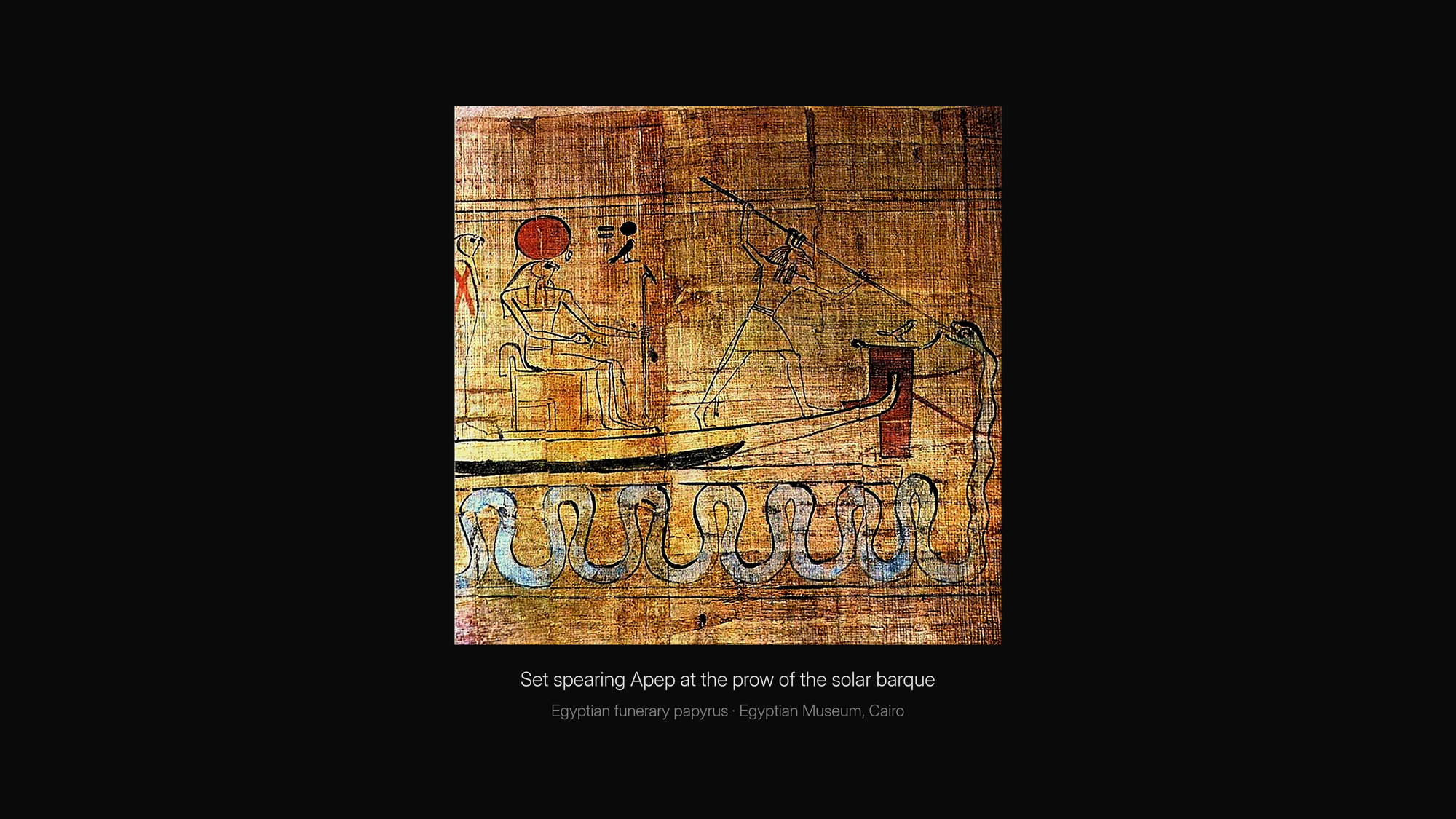
Not rowing. Not steering. Not part of the team. At the front of the boat, holding a spear, ready for whatever is going to come at them.
This guy is the murderer. The chaos. The violent one. Any other logical person would exile this god from this place. But instead they positioned him at the front of the boat, in order to meet the danger and the violence that was there for them every single night.
He was the only one violent enough to do that job.
The simple philosophy of Egypt is helpful to know in this case. There is Ma'at, which represents divine order, and there is Isfet, which is chaos.
They did not believe that order was achieved by eliminating chaos. They believed that the universe was held together by keeping these two in tension with each other. The same way we described in the yin yang earlier.
So even though Set appeared to be a flaw in the system, he wasn't. He was useful. If they didn't take him on the passage down into the underworld, they would not have come back.
What's even more interesting is that Set's reputation evolved over time. At first he was a protector, honoured in that way. Later he became a symbol of disorder itself.
You'd wonder, is that the representation of an entire civilisation disowning its own shadow? The very same thing we're addressing here, and that we see in the modern day today.
So they didn't kill the dangerous god. They gave him a spear and they gave him a job.
The question becomes, who's standing at the front of your boat as you go through the passage of life?
For many people, they've taken that part of themselves that would be well equipped to meet those challenges, and they left him on the shore. Watching the boat as it moves away, misunderstood and resentful at the fact that he is disowned.
Arjuna
The next story is from the Bhagavad Gita, and it's about a man named Arjuna.
He's in the height of a civil war. Krishna, who is a god, but Arjuna doesn't know that yet, is his chariot rider, taking him to this war.
Arjuna wants to see who he's fighting on the other side. When he realises that the people on the other side are family, people he's known, he makes the choice to come back to the chariot and say that he's not going to war. That he's not going to fight the ones he loves.
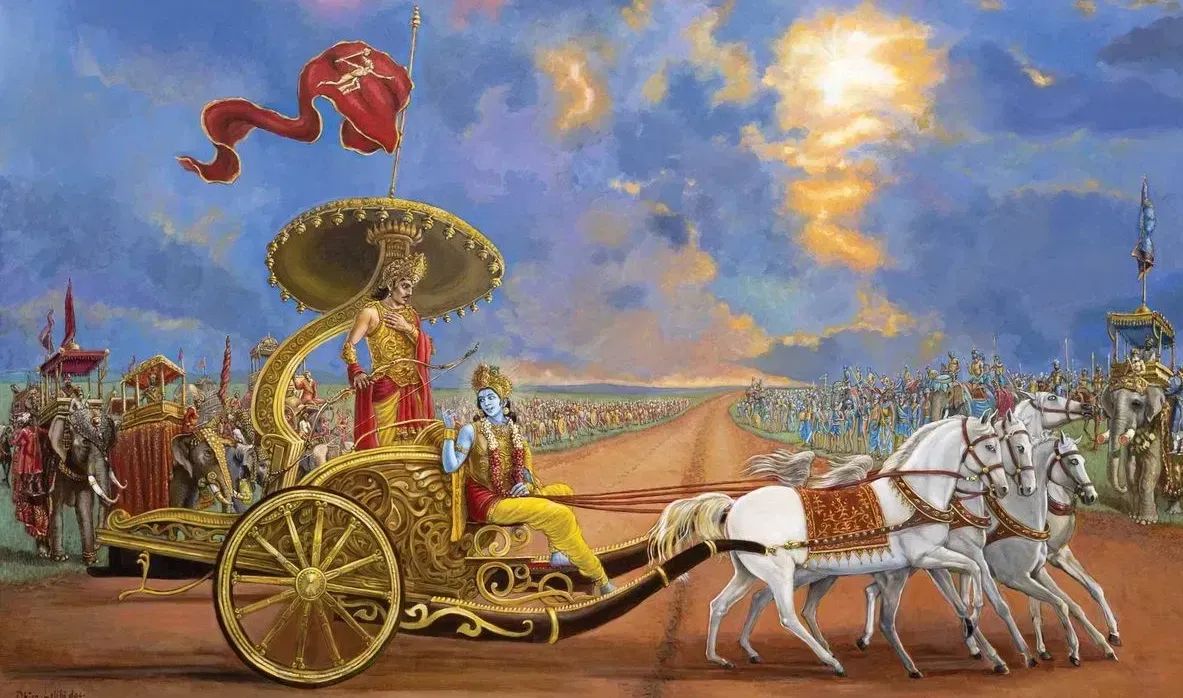
If you were to hear this story, you would say, "wow, what a spiritual man to choose love over war".
The interesting part about this is, Krishna says that he is being a coward. That he is fighting his true nature. Because Arjuna is a warrior, and a warrior goes to war.
What Krishna highlights for Arjuna here is that beneath the compassionate words is a man looking for a way out of his scenario instead of facing it.
Krishna shares with him in this moment: better to do your own work imperfectly than to do another man's work well.
Arjuna in that moment is a warrior standing on the battlefield, but trying to be a monk. Him trying to be a monk in that moment is not holiness. It's the abandonment of who he is.
The battlefield is a representation of the life you're standing in right now. The refusal is what we're looking at here, not the war itself. This is not about whether war is right or wrong.
One of the most fascinating aspects of this story is when Arjuna asks Krishna to reveal himself.
And what he gets is not light.
He gets everything all at once. Beautiful, amazing, profound and powerful. Destructive and chaotic. All at once.
Arjuna is terrified and absorbed in the beauty at the same time. He craves to see the familiar face he once saw. But now he sees the truth.
When a man sees true wholeness, it is not all light. It is not gentle. It is both chaos and order. It is both horrific and beautiful all at once.
The thread between everything we've just shared is that darkness in man can be protective. Men are meant to protect. We need the darkness to protect.
When this darkness is disowned, it becomes directed at other people in unhealthy ways. In reactive ways that harm others instead of protecting them. When it's directed at yourself, it becomes destructive and wears you down.
When it is owned, it gives you the capacity to hold yourself in the fire of chaos and not be moved. Where you stay firm in who you are. Your ability to own your voice, own your power, own your desire for that control, that domination that is within you. It gives you the power to say no, to hold clear boundaries, and to be a man worth respecting. When you have the capacity for darkness within you, and it's a felt sense from those around you.
Everything you want is inside the part of you that you refuse to look at.
Integrating your shadow.
Now let's look at the practical elements to bring this into a place where you can meet these parts of yourself. It's simpler than you think, but it's slower than you would like it to be.
I'm going to walk you through five moves that are really helpful when it comes to this integration. Number five is by far the most powerful.
01. Trigger.
The first one is to find the trigger.
A trigger is something you experience in daily life that makes you feel a certain way emotionally about what you are seeing, hearing or experiencing. The idea here is to become aware of when you are feeling a reactive pull because of what is happening around you.
This could be a judgement you have for somebody else, saying that they are "this way". That judgement is a mirror for what's going on within.
If there is a certain emotion that flares up because someone said something or did something, there's something there to look at. It could be a thought, or a thought pattern that keeps repeating itself over and over again.
When it comes to any form of intrusive thoughts or anything that can feel quite scary to experience, it's important to release judgement on what these thoughts are and not identify with them. These things are not here to be met with judgement. They're here to be met with awareness and neutrality.
So understand that they're not you. But they're giving you information as to where to look. Almost like a clue.
One of the clearest paths forward when it comes to identifying the trigger is just seeing where you pass judgement. Who do you judge, and why do you judge them? Judgement shows you something you're judging in others that you're not fully owning in yourself.
02. Contraction.
The next move is to feel where that contraction may be in your body when that moment arises for you. It could be the throat, chest, lower belly, legs, or shoulder. Anywhere in the body.
This gives you an indication of where that energy may be suppressed the most.
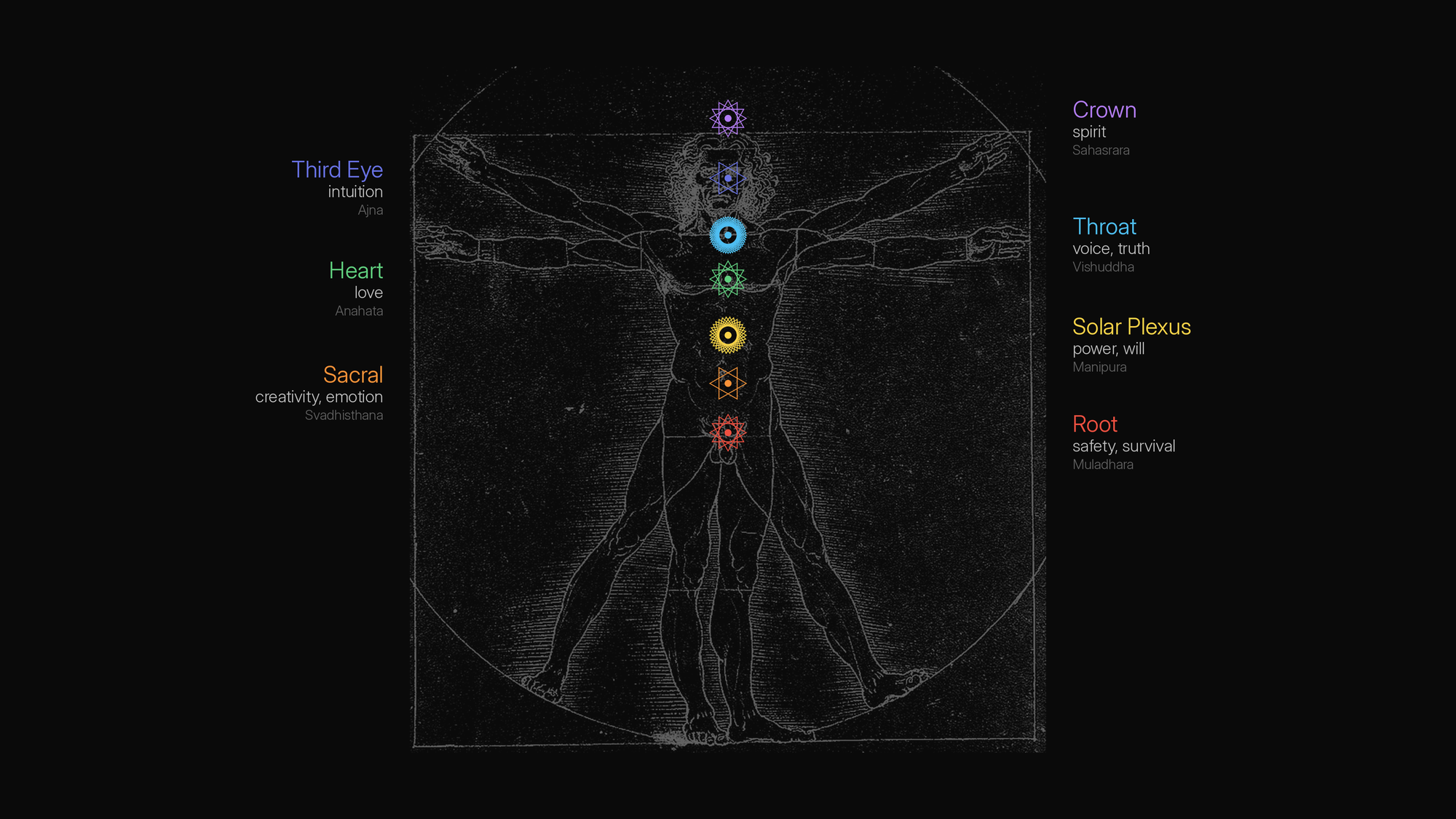
When you see that correlated to the chakra system above, you'll be able to see what may be blocked, and where the primary focus could be for you if you were going to do a form of energy work or healing for that specific area. I do this on myself and with clients all the time.
When I gave an earlier example about myself, a big part for me was my voice. One of the most powerful parts of me, and also one of the ones that took the longest to integrate. My voice was the thing that was being blocked. Now, as I write to you today, this is much clearer and something I've worked quite heavily on.
That's an example of finding where that blockage may be. Just feel into it. You might not always get the right answer, but bringing awareness to it is going to be more powerful than you think.
03. Archetype.
The next thing you can do is to name the part of you that is arising in this moment.
Naming this part of you helps you to meet it in a way where you're not pushing it away, but meeting it with conscious awareness.
It could be the version of you that wants to control. That wants to dominate. That wants to be extremely angry and be violent. Whatever the case is, get into the depths of what you're really feeling and allow it to be there.
You don't have to act on it, but you can give it a name. You can even name it as an archetype, because all of this is based on the different personalities and archetypes that are all within us.
When you do so, you allow yourself to meet it with awareness rather than push it away.
04. Ownership.
The fourth move is to own that part of you that you've just identified.
Not saying; "no, I'm a good person". Or, "no, I'm someone who's calm". Or, "no, I'm the good guy, so I don't have to be like this."
It's actually owning it. Saying, "hey, this lives within me".
There is a caged animal inside of me right now. There is a part of me that wants to do this horrible thing, this dark thing, this thing that I would never say out loud.
And meeting that, and owning that, and saying, "that's part of me. That is what I'm feeling right now. And I allow that to be present in this moment"
The whole point of this is to stop arguing with this part of yourself and allow it to be there without judgement.
05. Expression.
The fifth move, which is by far the most powerful, is expressing your dark side in a healthy way. You can do moves 1-4 in the moment and still feel like you are suppressing it, because there's no outlet for it to go.
This is the integration and embodiment of it.
This is where you can look at different aspects of your life. How you show up. What you do for work. What you do in your relationships. This is where you get to be creative with how you go about expressing these things.
Here's some examples:
Relationships; if you have the desire to control, the desire to dominate, and you're in a consensual relationship, express those needs and desires in a way that is safe for both people. Finding a way to do that creatively is a great outlet.
Actions; It could be dance, singing, going out into the jungle and running for as long as you feel like you can and screaming at the top of your lungs. It could be unleashing that animalistic nature within you and crawling on all fours. It could be going out into the world and dressing up as something you never thought you would before.
Work; people who are the most creative do this integration, whether they do it consciously or not. They are moving through the darkness and alchemising it into creative energy, creative power, expression. Deep poetry, heart-felt songs, wild writing, controversial art. People who are controlling or like to dominate, maybe they become coaches, or entrepreneurs.
Point is; there's a way to transmute this energy into something powerful that serves you.
Some of these things may sound cringy to you right now. That cringe is exactly where the work is. That's the part of you that is looking for a voice.
Finding the way that is right for you is about identifying the archetypes within you, that we did in move number 3, that are looking to be expressed through you in those moments that arise.
When you do that, you give yourself permission to be all of who you are, you feel lighter and more free. You give this part of you its power and that empowerment ripples into your entire life.
We're all here to find healthy ways to bring our shadow into light and be playful with it. We can dance with it. Most importantly, we can enjoy it.
I'll tell you now, because I've walked this path myself.
When you are in a sales scenario and you say the price, you hold still and you don't budge and you don't flinch, because you don't need to.
Your voice, your presence, starts to fill the room with power the way it's meant to.
If a line gets crossed with you, you say it, you confront it, you move on, and it doesn't happen again.
Instead of imagining the conversation, you have the conversation.
You may be around men who have accomplished great things in their life, and when you experience that, nothing in you gets smaller or shrinks. Because you know who you are.
None of this happens because you got louder.
It's because you stopped being at war with the part of you that was just looking to be seen.
To go deeper into this work and get support, consider visiting the page below. It walks you through how I help you find your signal in the noise through shadow integration, helping get more of what you want in business and life.
Member discussion