
The Harsh Reality of Letting the Old You Die: 3 Stages of Rebirth
What if the life you're living right now was built by someone who doesn't even exist anymore?
You've changed. What you want has changed. Life hasn't.
A past version of you built that life, and now something feels off.
Letting that old self go is one of the hardest things you'll ever do. It's nothing like the glamorous version people sell to you online.
In this letter, I'll show you what that journey really looks like and, most importantly, how to thrive during the process. We'll do this by finding the anchor that guides you towards what you want.
The Stages.
Most of the time, this doesn't show up as a big crisis. It shows up as a subtle friction.
On the surface, everything in your life can look fine. Something in you has changed, though, and life just hasn't caught up with it yet.
It's quiet, so it's easy to miss. It's easy to explain it away and keep doing what's familiar.
So what does this really look like? See if any of these sound familiar. If you recognise yourself in one of them, you're in the right place.
01. In business
You set a goal for yourself a couple of years ago, you hit that goal, and now you feel nothing towards it.
It might also show up in how you sell your offers. You don't feel as connected to your work, or to the offer you currently have. You find yourself tweaking your routine, or looking for ways to avoid the work that used to light you up.
02. In your work
You could be really good at something and have people relying on you, yet you'd almost be relieved if it all disappeared tomorrow. You built something, and you don't really want to do it anymore.
03. In relationships
You catch yourself playing an old role with friends, going along to things you've outgrown. When you set a boundary with someone, you're met with resistance and people telling you that you've changed.
It might even be a loving relationship built on who you both were five to ten years ago, one that hasn't really been looked at since.
Regardless of how it shows up on the surface, there's overthinking. There's an uncomfortable feeling. Something's a little bit off. You may not have the words for it, yet you know it's there.
The primary emotion here is fear. You may be afraid to change something, because changing one thing may mean that everything starts to change. Honestly, that's a really uncertain and quite scary place to be.
The fear here, when it's not met with awareness, can be the thing that blocks the evolution that's trying to happen in you very naturally.
I've been doing this work for many years, guiding people through these transitions, these identity transformations, and I've gone through many of them myself. I'll share more of my own journey later on, to make this a little more practical.
If you want a resource to support you with implementing what we're talking about here, click below.
The stages of alchemy.
The first thing we're going to do is briefly understand the stages of alchemy.
Alchemy goes back about 2,000 years, to Alexandria in Egypt. From there it made its way through the Arab lands and into medieval Europe. On the surface, alchemists were trying to turn lead into gold. Many of them, and later the Swiss psychiatrist and psychoanalyst Carl Jung, came to see it as a map for personal transformation.
They described three stages in colours.
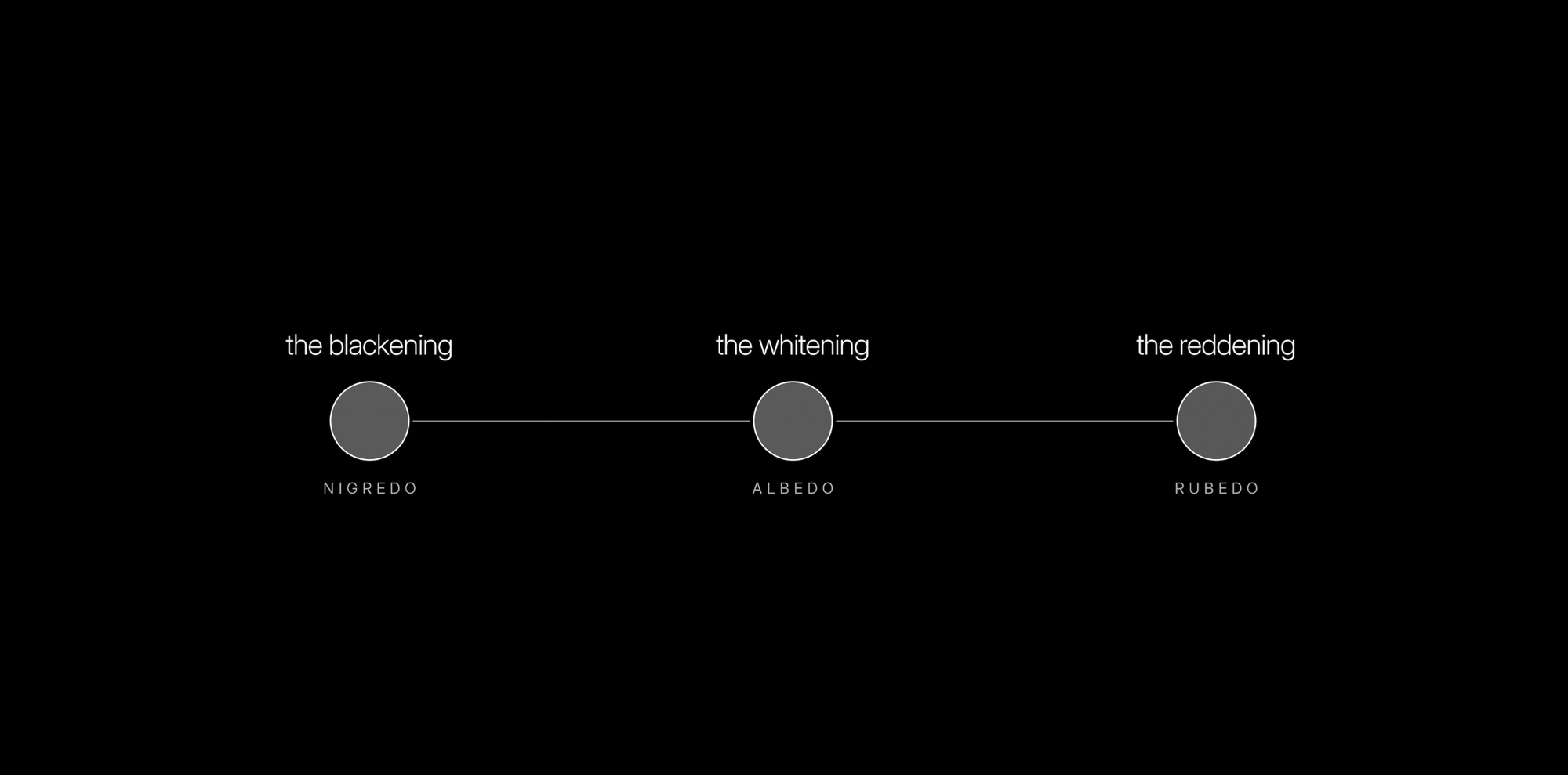
- The blackening, nigredo. This is where the old is falling away. It is darkness, it is bleak, and it seems like nothing's working. It's the crumbling of the old so that the new can be formed.
- The whitening, albedo. This is a washing and a cleaning, the first glimpse of light in the darkness that has fallen.
- The reddening, rubedo. This is where the new light, the new formation, starts to become solid and steady.
Originally there was a fourth stage called the yellowing, though most alchemists had dropped it by the 1500s, so we'll stick with three.
You don't need to learn or remember any of these terms. We'll break it down into its simple essence. They're just here so you understand where this comes from.
The key takeaway is that you cannot get to the gold without going through the blackening. Many people run away from the blackening, because it's uncomfortable and it looks like something is wrong, rather than something being formed.
There's a story, about 3,000 years old, of a man who asked his crew to tie him to the mast of his ship. You may be asking why anyone would do that. This man knew what he was about to encounter, and he was preparing for what was coming.
That story represents a lot of what we're talking about here. We'll come back to it when we talk about the gap.
The Friction.
Our human nature is to seek comfort. Our brain prefers the familiar over the unknown, because the unknown is uncertain. Uncertainty, even when it's bringing us towards what we want, feels unsafe. That's in our nature.
So we tend to stick with what we know, and take the loss rather than move towards an equal gain.
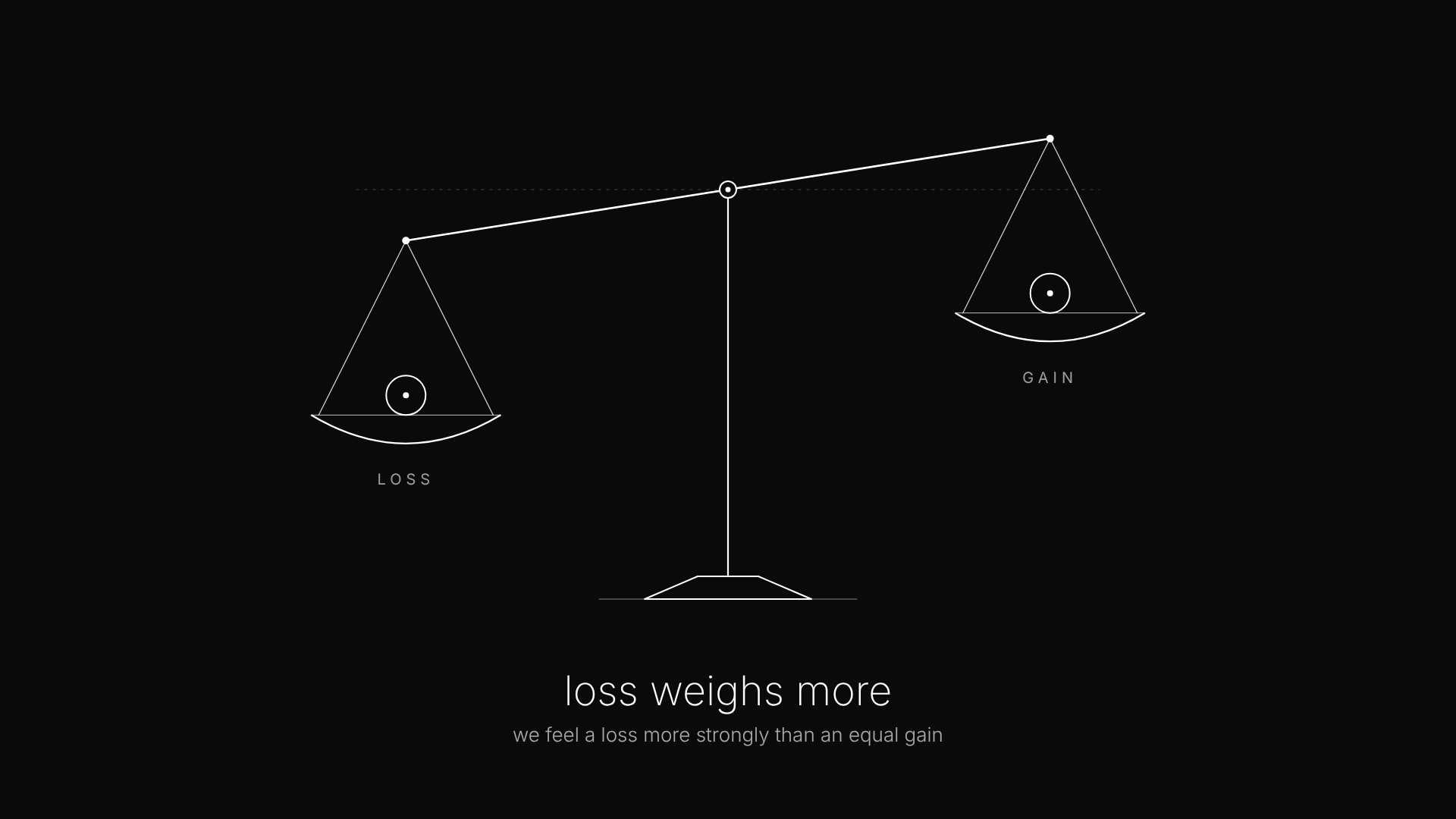
Instead of changing the life we have, we try to make the old life fit who we are now. The more we do that over a long enough time frame, the more wrong or empty it starts to feel.
It's not that anything is necessarily wrong with this life. By most standards, it could be amazing. You're just not the same person who built it anymore. That's where the tension is.
If the people you're surrounded by aren't committed to the same level of growth as you are in this season of your life, they may see your growth as something you shouldn't do, because it's uncomfortable for them too.
In my video on claiming what you want, we talked about the house a man builds around himself to protect himself. This is what happens when that house gets too small, and you're still living in it, outgrowing it.
The snake
An example of how this plays out in nature is the snake.
A snake grows, but its skin doesn't grow with it. Eventually the skin gets really tight and really uncomfortable. So the snake begins to shed it, and the way it does this is by rubbing against rocks or branches, something rough, until the skin starts to split.
The friction is the sign that something is happening underneath the surface. You just may not see it yet.
When the snake's skin is coming off, it means something is ending. Nobody tells you that the skin coming off, the transition you're in, fucking hurts.
The Goodbye.
At the start of 2025, I entered a challenging season. I was going through a real death and rebirth that lasted over a year.
I realised I was still living out a dream that Jordan from 2020 had: travelling the world, searching for his purpose, building a business online, making 10 to 20k a month. I'd been living all of those goals for over five years, and I realised I had just outgrown them. In other words, I began to run out of vision for myself.
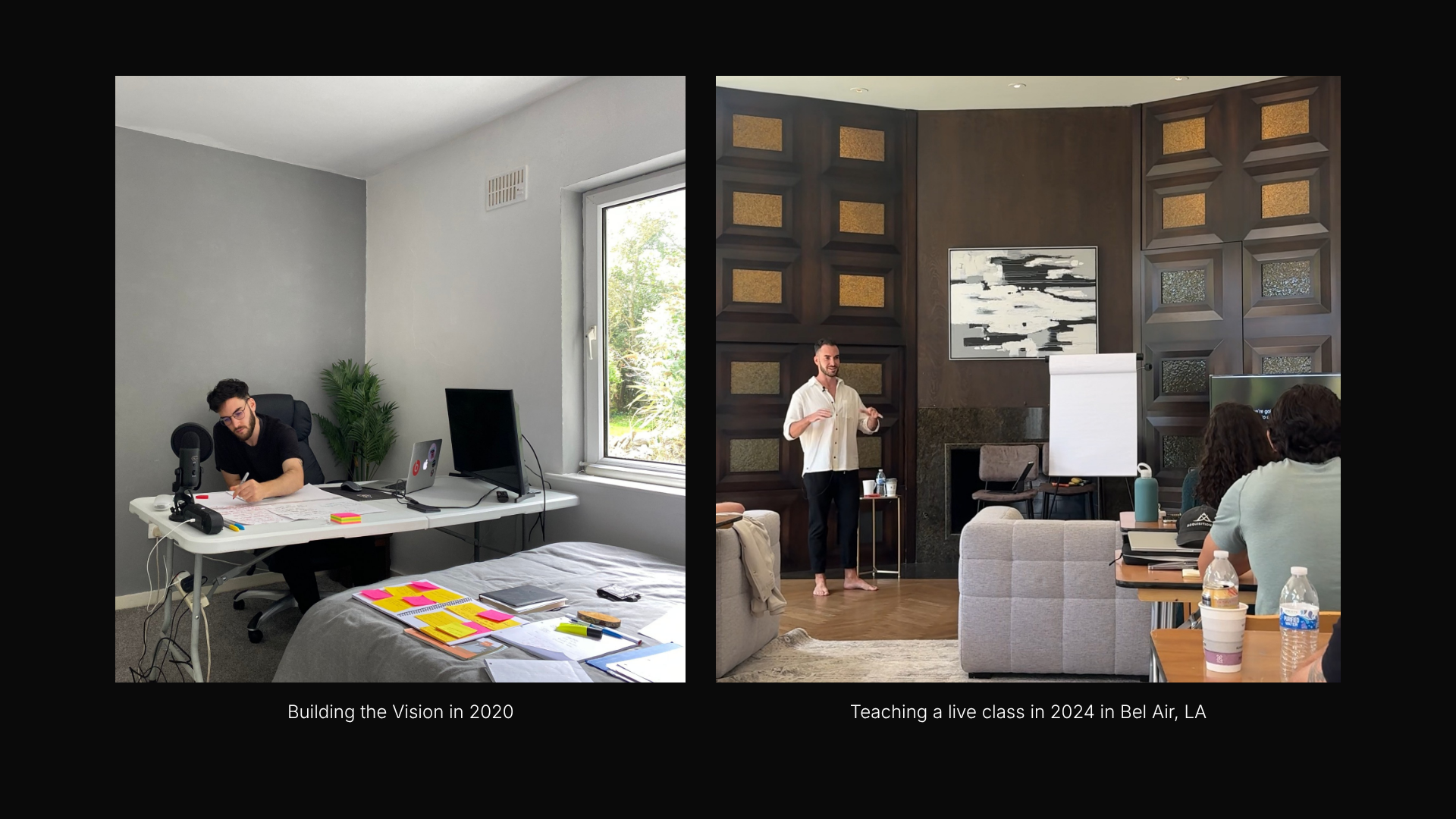
Over the more recent months, I've spent more time being still in one place. I've even spent more time in Ireland, in my homeland. Something interesting came up as I did this.
I remember being on the phone to a friend. Thankfully, I have people in my life who can mirror these things back to me. I was telling him about my travel plans, and he said:
"This sounds like a very familiar version of you. Is this really what you want?"
I stood there for a second and said, "Oh yeah, you're right."
Whenever things got a bit uncomfortable, I immediately looked towards where I could go, where I could travel to. I started to notice how much travel had become a way for me to escape uncomfortable feelings, or just the stillness of life being boring or mundane.
This was not about travelling or not travelling. It was about an old version of me running away from what was uncomfortable, instead of consciously choosing what fits the life I want to create now.
Making that choice to stay put, despite the discomfort, was really uncomfortable. I felt anxious. I felt frustrated. I felt angry. So many emotions came up. That was me breaking a pattern.
I've shared one example from my own life there. There are many that show up throughout this journey, for anyone.
It's a real grieving process, feeling all of the sadness, the anger and the fear. It brings up quite a lot, because you're saying goodbye to what a past version of you would have wanted, and making a new choice instead.
This doesn't mean you throw away everything you've learned throughout your journey. You take all of that wisdom with you. You do have to be completely honest about what you're stepping into now, and for many people, that's the hardest part.
The parts of you that would rather stay, that aren't fully aligned with where you're going, are not the enemy. It's just the old version of you trying to keep you safe.
There is a space in between, and this is where most people turn back.
The Gap.
More often than not, an identity shift like this feels like chaos and destruction. You begin to make moves that aren't logical to you or to most people, because the logical side of you is familiar with what you used to do, and this requires something new to form.
That's why it's really important to have good people around you, whether that's friends, coaches or community, people who can support you on this journey. It is uncomfortable, and it can last weeks, months, even years. The bigger the identity shift, the larger the gap.
The gap we're talking about is the nigredo, the blackening. It's the in-between, where the old is starting to collapse, or has already collapsed, and nothing has grown in its place yet.
The alchemists did not see this as failure. They didn't see the challenges as something being wrong. They saw it as the perfect state for something new to be born.
This takes time
These things take their time, and it's different for everybody. We've lived in a culture for a long time that tries to force these kinds of breakthroughs. An identity transformation like this happens on its own timeline, usually much slower than people want.
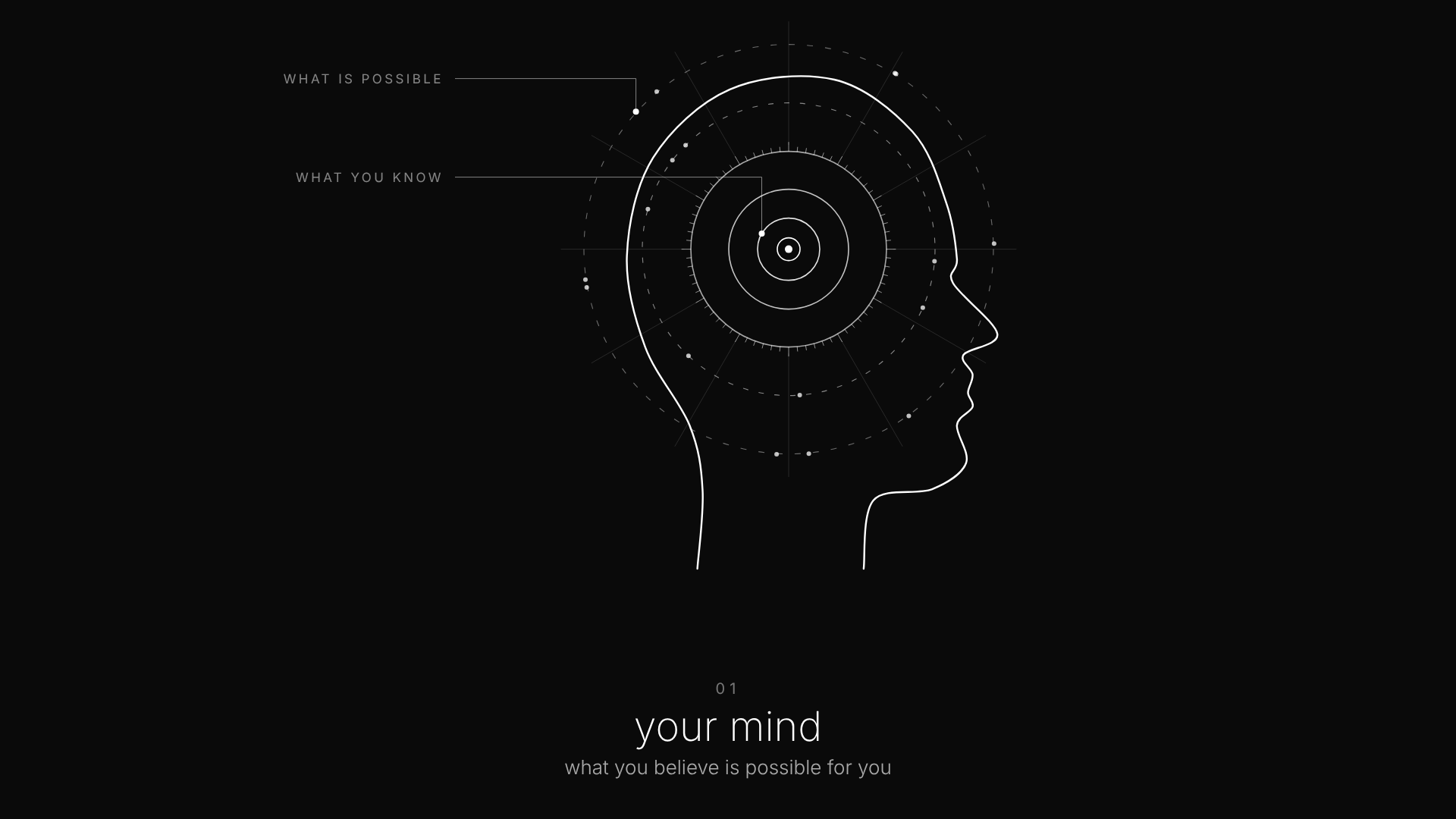
To really discover more of yourself in this process, and evolve naturally with what's happening, three things need to expand.
Your mind. What you believe is possible for you.
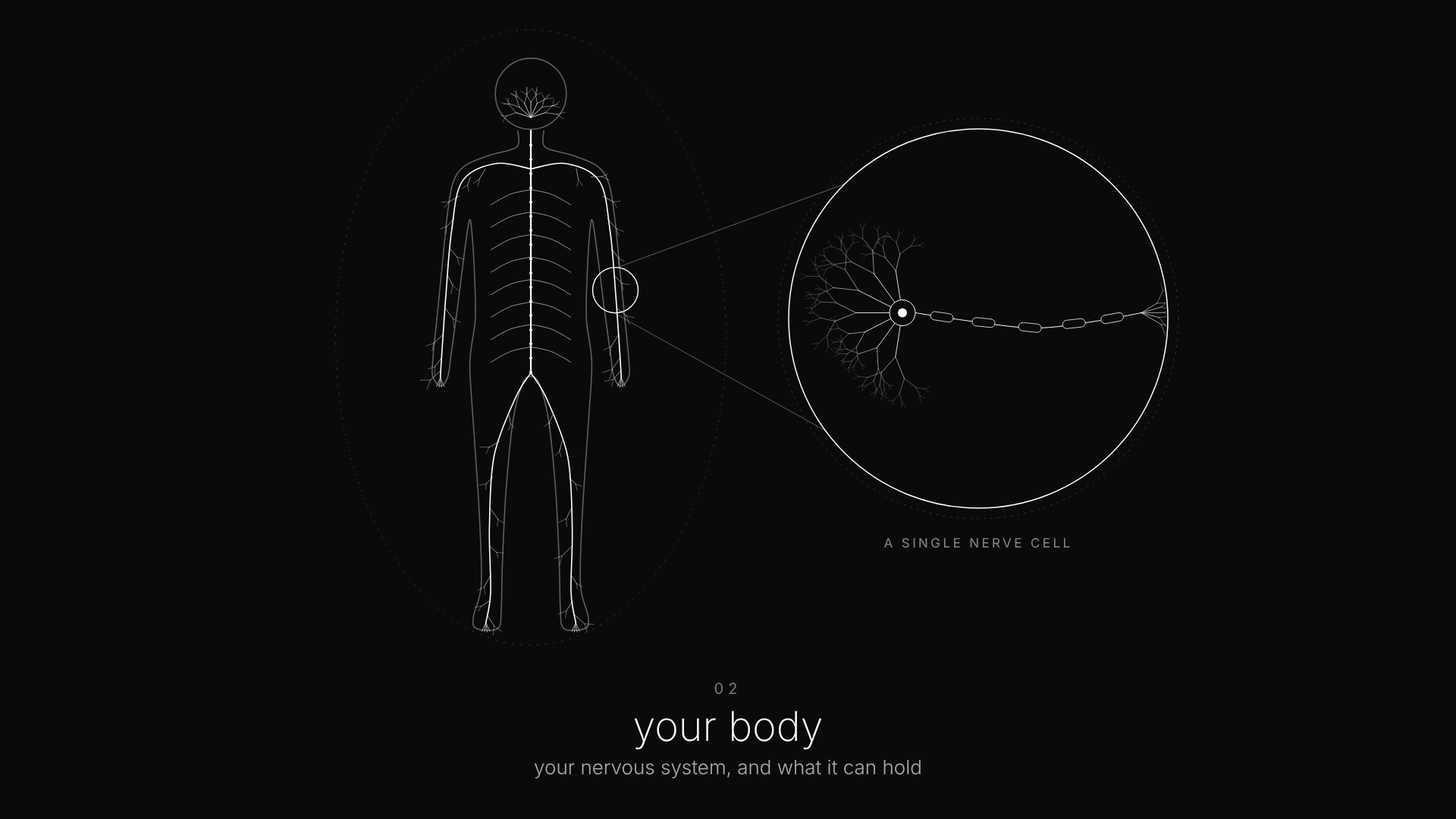
Your body. Your nervous system, your relationship to your body, your heart. This is what you can hold and still feel normal, where your body isn't jumping into fight, flight, freeze or fawn because something is changing.
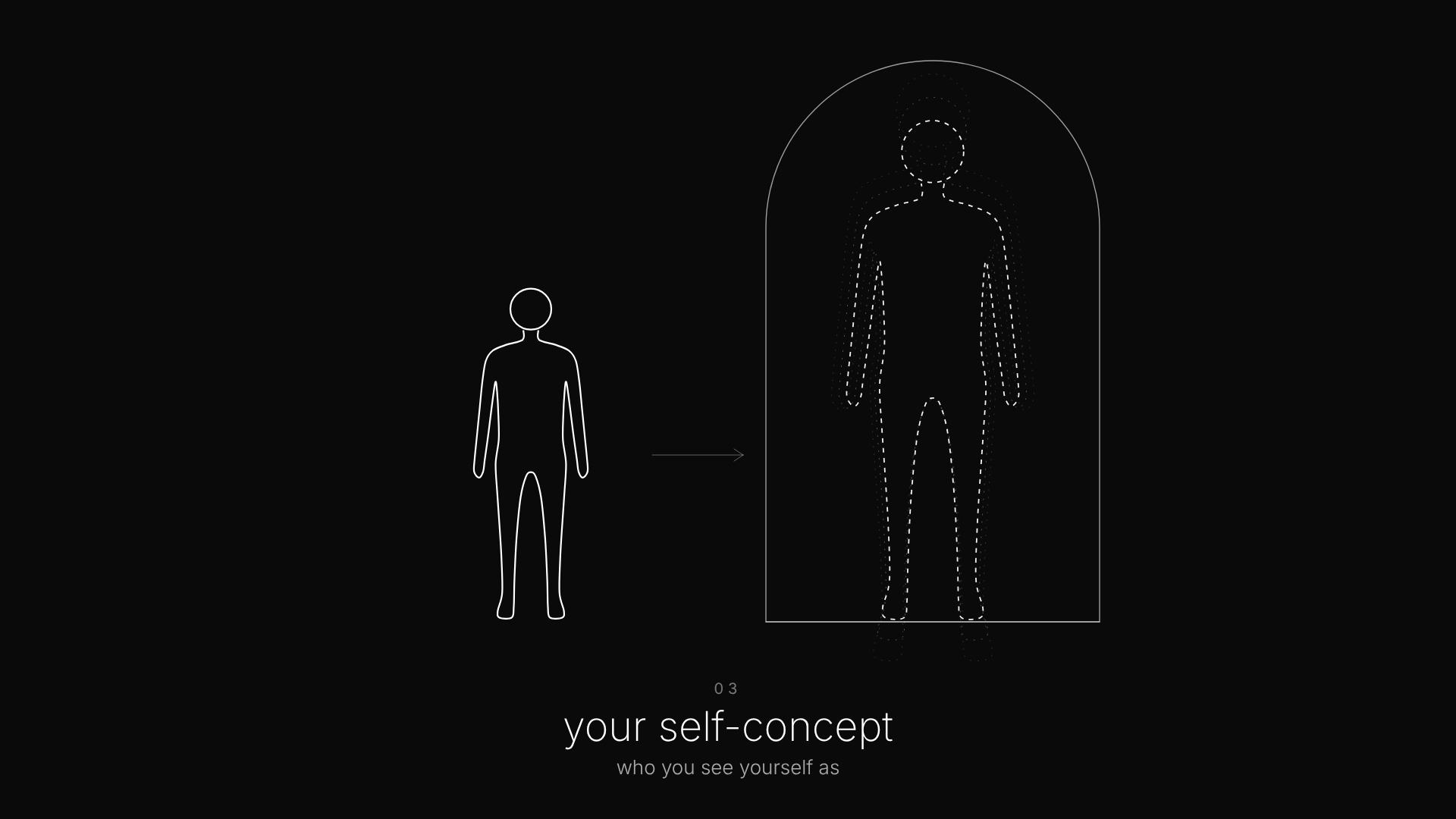
Your self-concept. Who you believe yourself to be. Who you see yourself as.
Expanding these areas allows space for new results to arrive, and for you to hold them sustainably, without being overwhelmed by change that happens too quickly. It takes experience and consistent action, despite the short-term discomfort, to build that capacity for yourself.
I've seen clients have incredible transformations while working together, in their relationships and in their work, even tripling or quadrupling their monthly income. Sustaining that, though, is a journey of integrating it over time.
There are many wins along the way, yet it's not a two-week journey. It's more of a lifestyle to embrace. There's nothing wrong with wanting this to happen fast. It's important to understand that wanting it to happen fast is just your mind's way of trying to escape the discomfort of the gap itself.
The pull back
There's a story in the Old Testament, in the Book of Exodus. Even if you've never read it, you may have heard parts of it.
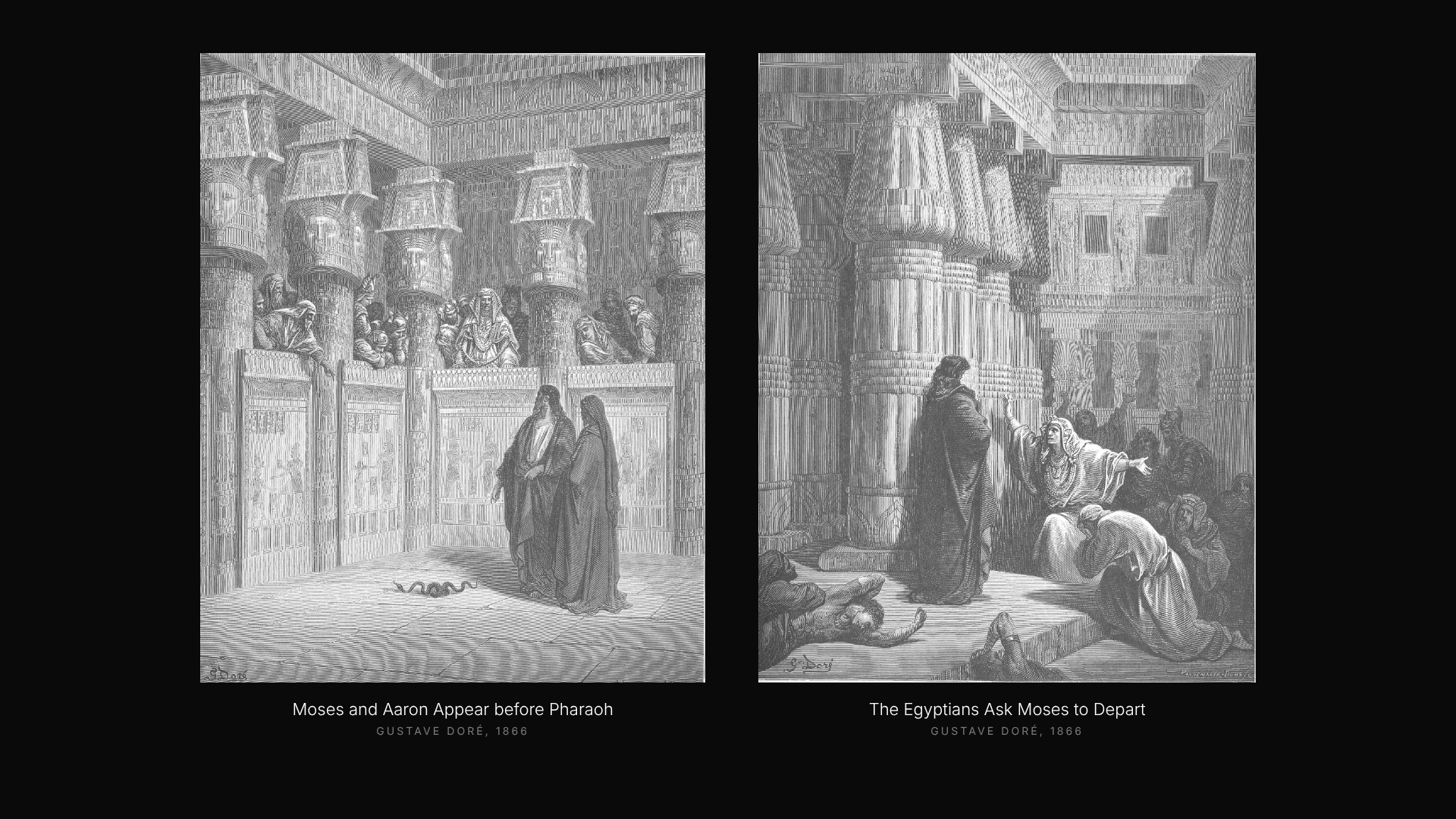
The Israelites had been in slavery in Egypt for the longest time, and Moses arrives to lead them to a new life, a new promised land. For the first time in their lives, they're walking towards a new beginning. They are free.
Almost straight away, they want to go back.
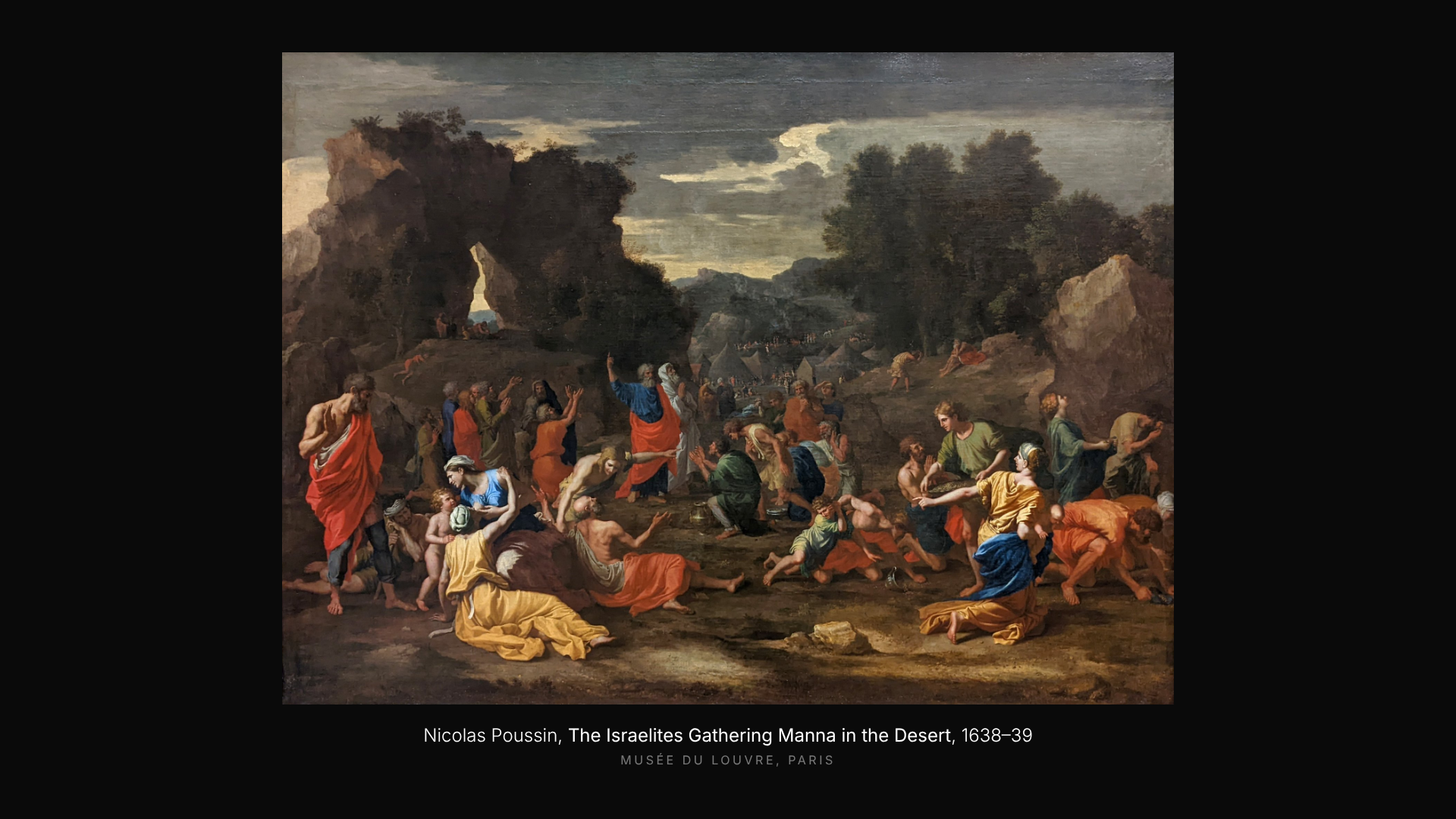
In the desert there's no food, so they start complaining. They start to romanticise the life they had in slavery, where they were given just enough food to survive and keep working as slaves, and they begin to think of that as the better option. They start remembering the fish, the melons, the cucumbers, the onions and the garlic they had in Egypt.
They were slaves, yet it was familiar.
Eventually they reach the edge of the promised land and send some scouts in. The scouts come back and say the land is great, though the people living there are giants, and they were like grasshoppers in comparison.
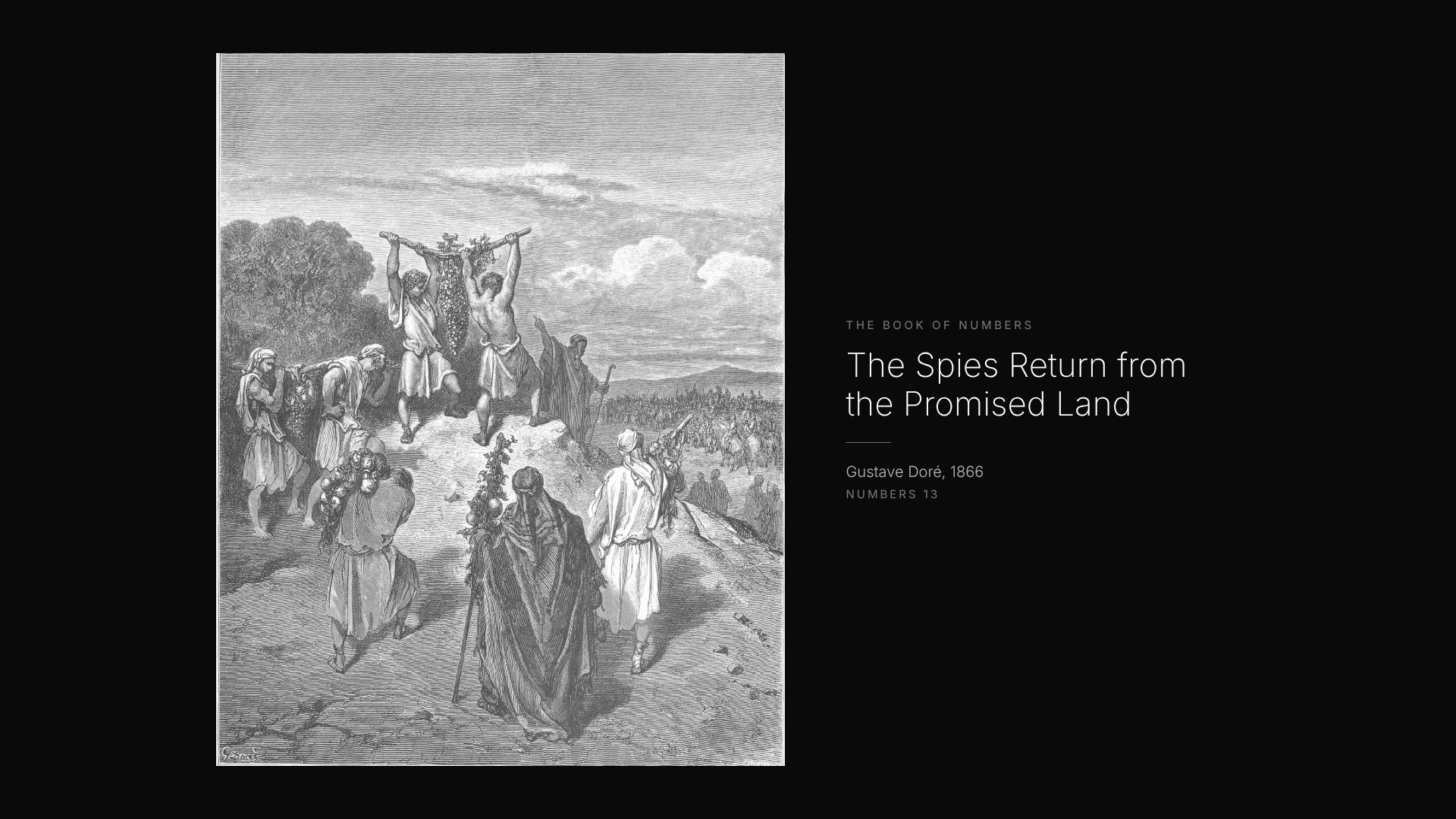
Only two of them say, "We can do this." The rest start panicking and wanting to go back to Egypt. They even start looking for a leader to take them back to where they were.
So they end up wandering the desert for forty years. The journey was said to take around eleven days. It took them forty years.
The generation that left Egypt eventually passed away, and it was their children who walked into the promised land. Later teachers read it this way: the people who still thought like slaves could not enter the new land.
The lesson here is that there are always temptations to go back to the old life. The old way of operating, the old way of doing things, the old energy we bring, the old fuel that was driving us. All of these are waiting for us whenever we want to go back to them. They will be there for as long as they need to be, to tempt you with everything you said you wanted to leave.
Meeting the fear
Like we talked about at the start, fear is what blocks the natural progression from happening when it's not met with awareness.
When fear isn't met with awareness, it drives your actions from underneath the surface, and you end up right back where you started. When you can see it and hear it without identifying with it, you dissolve it, and you can consciously choose the new direction.
Nature shows this again. When a snake is shedding its skin, its eyes fog over and go grey, and it can't see properly. So it hides away. It attacks more often, because it isn't in a safe place within itself. It's going through the shedding.
Not being able to see where you're going does not mean that everything is going wrong. It means the shedding is happening in real time, and you're getting close.
What you're actually doing here is building the capacity to hold the life you say you want.
The gap itself feels like no man's land. Some days you're excited and curious about moving towards something. Some days you have absolutely no drive or motivation at all. Some days you're just in your emotions, you don't know what to feel or think, and you're in a place of rage or sadness. Who knows?
All of it is welcome. All of it is part of this process. The more you can release resistance to what's happening, the more the process will naturally unfold, and the less challenging it will be.
It's like being in a void. All you can do is trust that things are forming underneath the surface in the most perfect way, and that you'll know when it's time to move, by trusting what's arising within you.
The Sirens
Remember the man from the start of this letter, who asked his crew to tie him to the mast of his ship? This is his story.
His name is Odysseus, from Homer's Odyssey. He has been away from home for twenty years, ten of them at war in Troy and ten trying to get back home. Along the way, they pass the Sirens. Their song is so beautiful that every sailor who hears it moves towards it, and ends up wrecking his ship and himself in the process.
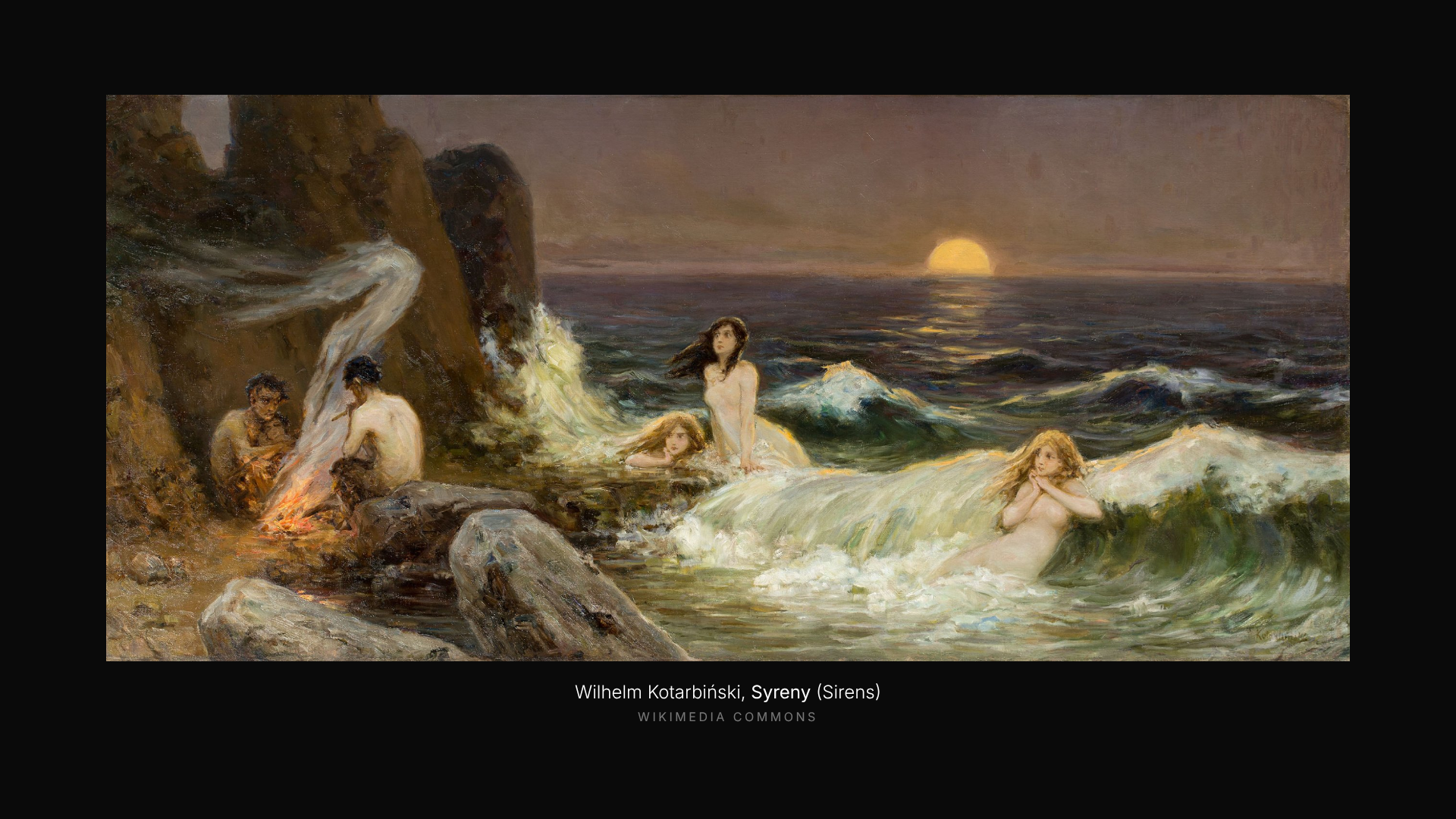
He's warned in advance, so he has his crew put wax in their ears so they can't hear the song. He wants to hear it, though. That's why he asks his crew to tie him to the mast, and not to let him go, even when he begs.
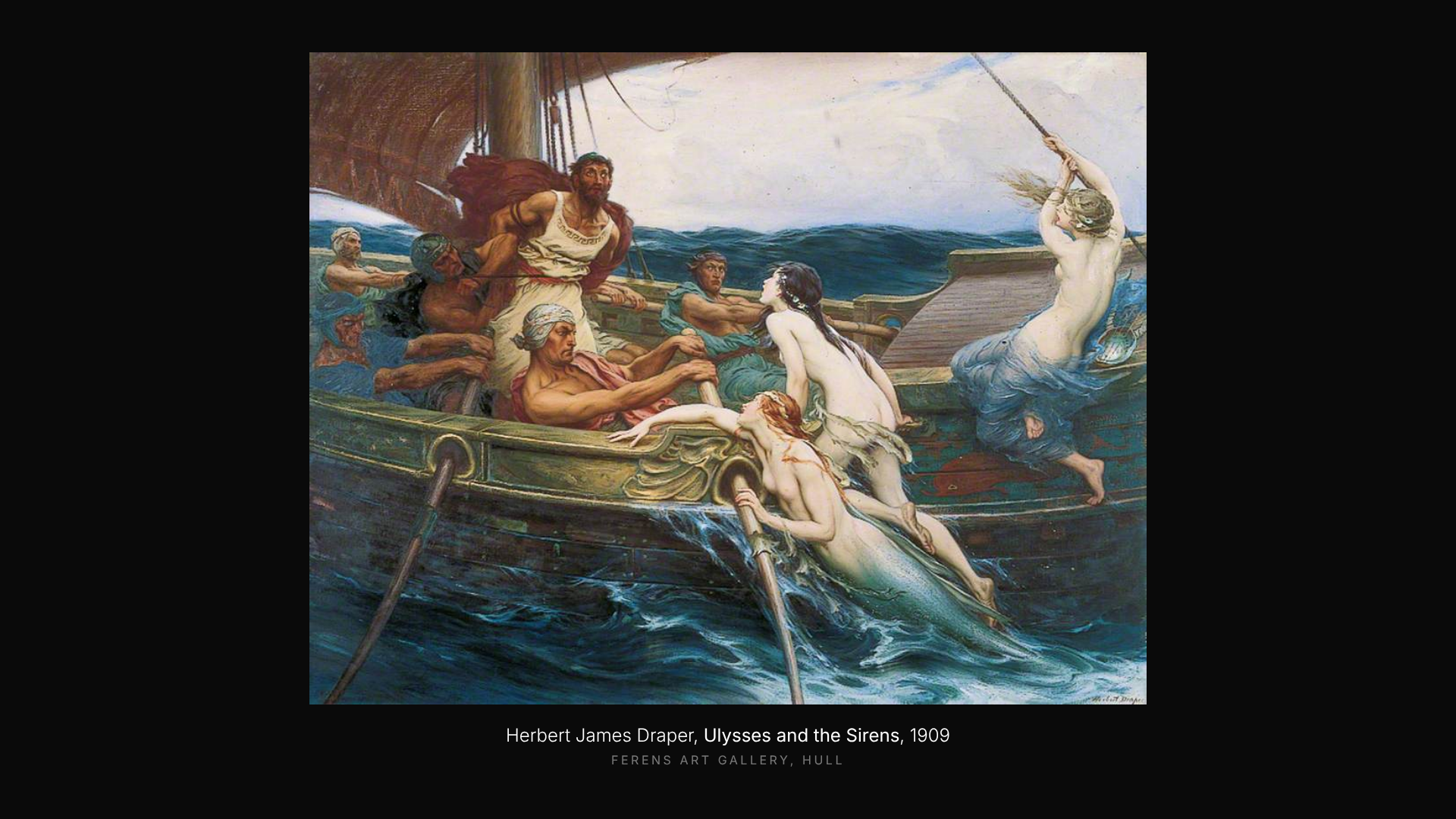
The song comes. He begs. They tie him tighter. He hears every single note.
He sat with the discomfort, and he moved forward with what he actually wanted.
The old life will sing to you while you're in the gap, and you'll hear every bit of it. The question is, what have you tied yourself to, to stay steady in the direction you want to go?
The quality of your life will come from your ability to navigate the uncharted waters of uncertainty.
The Anchor.
Odysseus could only hold on because he knew where he was going. This is what you tie yourself to: getting clear on what you want, and not just what you want, but how you want that new life to truly feel.
Without a clear direction on what's next, the familiar will always win.
When you briefly ask yourself what you want, a couple of things probably come to mind. The question is, are those things you actually want, or what you've been told to want?
We've all been told what to want for the longest time, through the content we watch, the books we read and the things we see on social media. A lot of the goals people have, and mine for the longest time, were not goals they really decided for themselves.
So the uncomfortable question here is:
What do I actually want in this next chapter of my life?
When you get still enough, be open to experimenting, and allow it to take the time it needs. It will show up for you. It may not be in an afternoon, yet even pondering it brings you closer to the answer.
How you know it's yours is that it makes you feel something. It's not just a nice idea that sounds cool in your mind, or to other people. It feels different to you.
The emotion is the important part here, because that's what actually connects you to what you want. That's your anchor. That's your version of the mast of the ship.
This anchor stops you from running away from something, and has you moving towards something else instead, even if that something is just a feeling for now.
For the snake, a few days before the old skin fully comes off, its eyes become clear again. It can see before the shedding is complete, and the new skin was there underneath the entire time. It just needed to move the old out of the way.
That's the albedo in the stages of alchemy, the whitening, the first light that emerges from the darkness. For you, that light is a feeling, anchoring you to what you want.
I'm sure you get it by now. It's not sunshine and rainbows, yet it is absolutely worth it, 100%, every single time.
The bigger the identity shift, the more resistance there is. I can attest to this, and from the people I've guided, I've never met anyone who has gone through it and come out worse on the other side.
When you're living what you want, that's when it becomes real. That's the rubedo in the stages of alchemy, the reddening.
The cost of admission into your new life is your old life.
To help you get clear on what you want, I've put together a free companion guide with the notes from this letter and reflection questions for the journey.
Member discussion